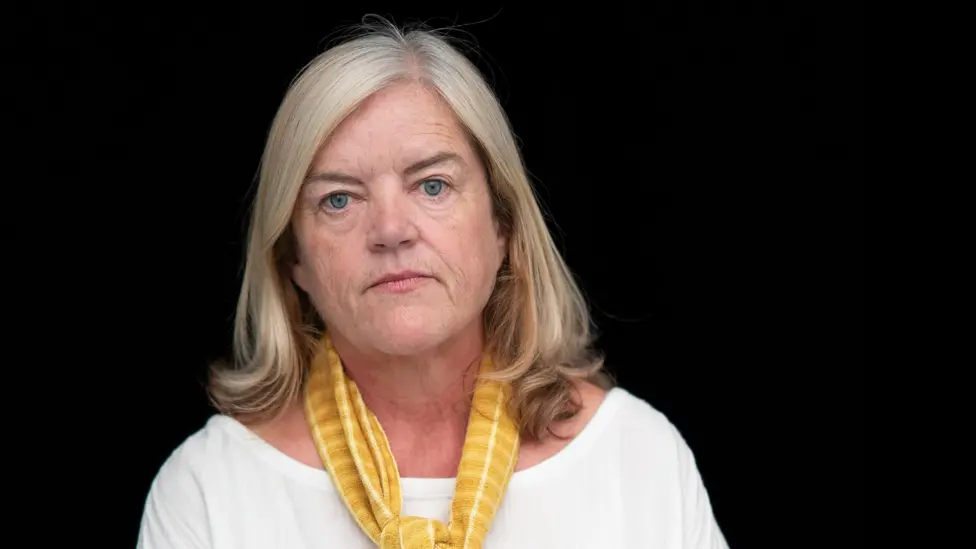
Baroness Casey: Child Grooming Victims Still Failed by Inadequate Conviction Quashing Scheme
Baroness Louise Casey, who led the national investigation into grooming gangs, has stated that children groomed, sexually abused, and subsequently prosecuted for offences, including prostitution, continue to be failed by the current system.
Last year, Baroness Casey urged the government to quash convictions of victims criminalised when they should have received protection. While legislation has since been introduced to pardon "child prostitution" offences, Baroness Casey argues this is a "lazy option" and insufficient. She insists a comprehensive scheme is required to review and quash all wrongful convictions for victims.
Survivors Face Persistent Obstacles
Joanne, a survivor of child sexual exploitation from the age of 15, was repeatedly arrested and convicted for loitering and soliciting in the 1990s. Despite being a minor, she was treated as an offender. Now in her 50s, Joanne's criminal record of over 40 prostitution convictions has severely impacted her life, preventing her from employment, education, and travel. While new legislation will pardon some of her convictions, it does not cover those from when she was 18 and still being trafficked, nor does it address her demand for financial compensation for systemic harm.
Fiona Goddard, targeted by a grooming gang in Bradford, received between 30 and 50 convictions for public order offences and common assault between the ages of 13 and 18. These stemmed from her reactions to abuse and restraints within care homes. She states that perpetrators often removed her electronic tag, leading to further court order breaches. Fiona views the limited scope of the new law as an attempt to "wipe away the evidence of their mistakes" rather than genuinely rectify the issue, calling for individual case reviews for all survivors.
Jamie Leigh Jones, abused from the age of 12 in Oldham, claims over 100 arrests as a child, with her first public order conviction at 13. She highlights how magistrates named and shamed her following an anti-social behaviour order, making her an increased target. At 14, Jamie was sentenced to four months in Red Bank Secure Unit, a juvenile detention centre. She advocates for all grooming victims to have their records individually assessed and cleared.
Government Response and Criticisms
The Home Office has indicated it will review convictions potentially shaped by childhood sexual abuse and encourages affected individuals to contact the Criminal Cases Review Commission (CCRC). However, Joanne's application to the CCRC for review of her prostitution convictions was rejected, despite the commission acknowledging links to trafficking and coercion. The CCRC maintained the convictions were lawful at the time they were issued.
Baroness Casey, whose national audit into group-based child sexual exploitation was published last June with all 12 recommendations accepted, acknowledges progress in many areas but maintains the government has not gone far enough or fast enough on conviction quashing. She states that merely expunging child prostitution offences is inadequate, calling for a more effective and expedited system.