UK Offers Meningitis B Vaccine to One Million Young People After Kent Outbreak
A targeted vaccination programme will offer the Meningitis B vaccine to approximately one million young people in England, Wales, and Scotland. This initiative is a response to the UK’s largest and fastest-growing Meningitis B outbreak this year in Kent, alongside two further “unusual” clusters identified in Weymouth, Dorset, and Reading, Berkshire.
Targeting High-Risk Groups
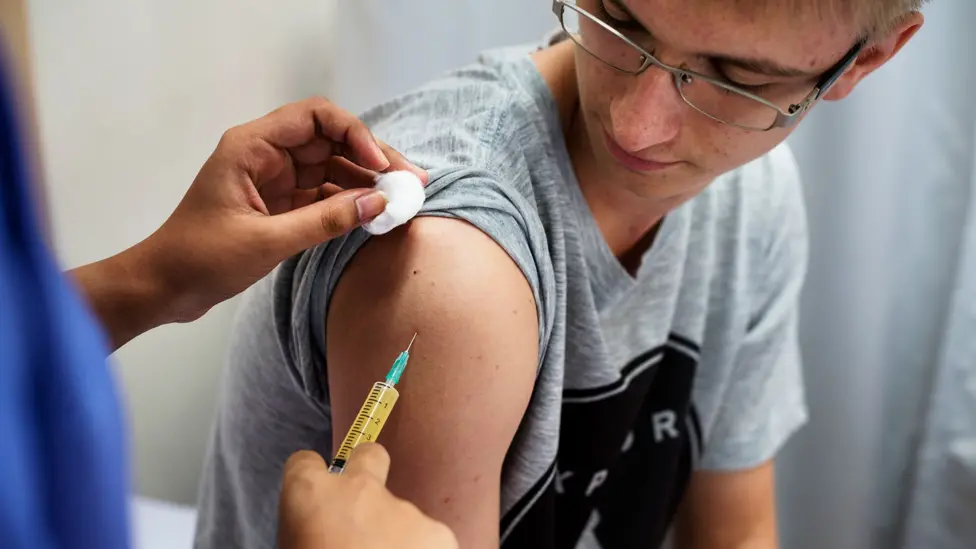
The two-dose vaccine will be available to pupils in their final year of secondary school and those aged 18 to 25 commencing university or residential further education this autumn. Health officials state this programme aims to protect individuals deemed at “highest immediate risk” from meningococcal disease, which can prove life-threatening.
Aaron Mills, 18, from Kidderminster, died from meningitis in January 2026 shortly after starting university in Liverpool. His family recounted his rapid deterioration from flu-like symptoms to fitting and unresponsiveness, highlighting the swift and devastating impact of the disease. They discovered he had been vaccinated against other strains, but not Meningitis B.
Programme Rollout and Logistics
Meningitis B bacteria spread through close contact, such as kissing, sharing vapes and drinks, or living in shared accommodation. UK health officials note that 18-year-olds and first-year university students face a heightened risk due to increased social mixing and communal living arrangements.
The MenB vaccination programme requires two doses, administered at least 28 days apart, for maximum protection. In England, doses will be offered in July and August through community pharmacies. Year 13 students will be contacted directly, while under-25s starting university can book appointments with pharmacies. International students under 25 entering their first year are advised to receive their first dose before arrival.
Wales and Scotland will also commence their programmes in July, with slightly varied booking procedures. Northern Ireland is expected to implement a similar programme subsequently.
Official Justification and Public Health Context
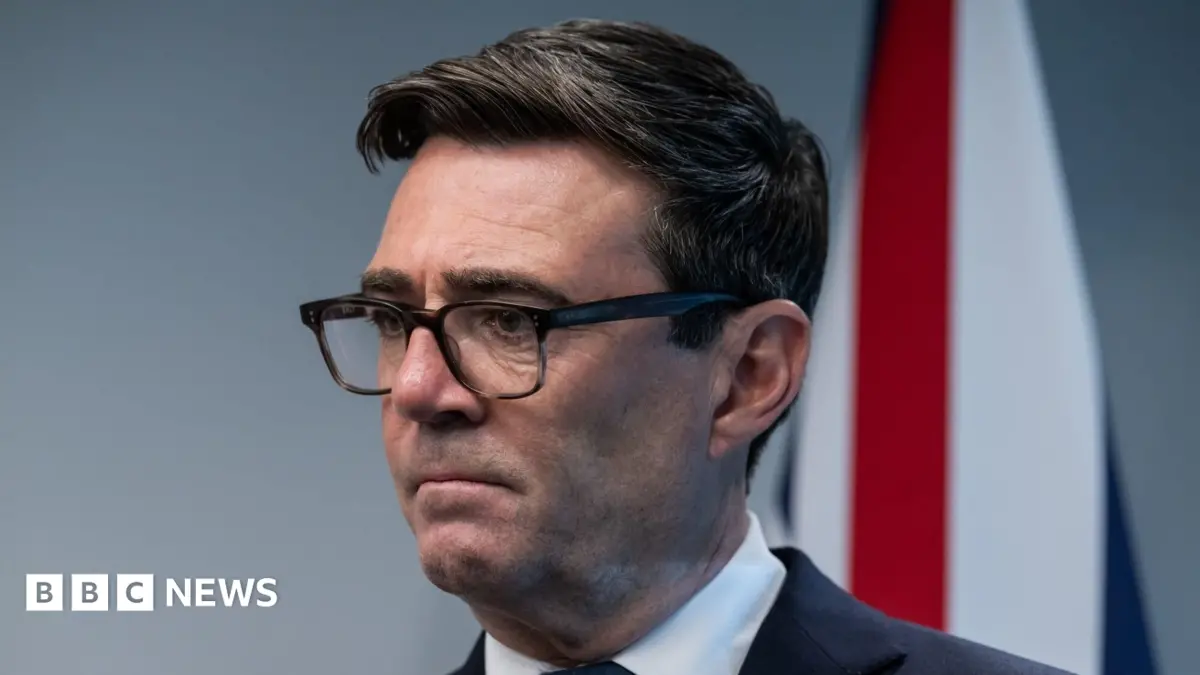
James Murray, Secretary of State for Health and Social Care in England, stated, “The Kent outbreak and recent clusters indicate a possible change to the way MenB affects people. While we assess the latest evidence, we are acting now to help protect young people at highest immediate risk.”
Professor Shamez Ladhani of the UK Health Security Agency (UKHSA) described the decision as a response to “three rather unusual clusters of MenB disease” and concerns regarding a potential increase in meningococcal disease activity. The Kent outbreak in March recorded 21 confirmed cases, resulting in two deaths, an unprecedented number for such a short period. Weymouth saw three cases in April, and Reading recorded one death and three student cases.
Prof. Ladhani suggested one explanation for the Kent outbreak could be the natural cycling of Meningitis B, following a “honeymoon period” of 25 years of low activity, leaving populations potentially more susceptible. The Bexsero vaccine, routinely given to infants, has demonstrated approximately a 75% reduction in MenB disease through the UK’s infant vaccination programme, with protection lasting at least six years.
Dr. Tom Nutt of Meningitis Now welcomed the announcement, stressing that while vaccination is crucial, public awareness of meningitis signs and symptoms remains vital for early medical intervention.