Birmingham Residents Divided on Council Leadership as May 7 Election Nears
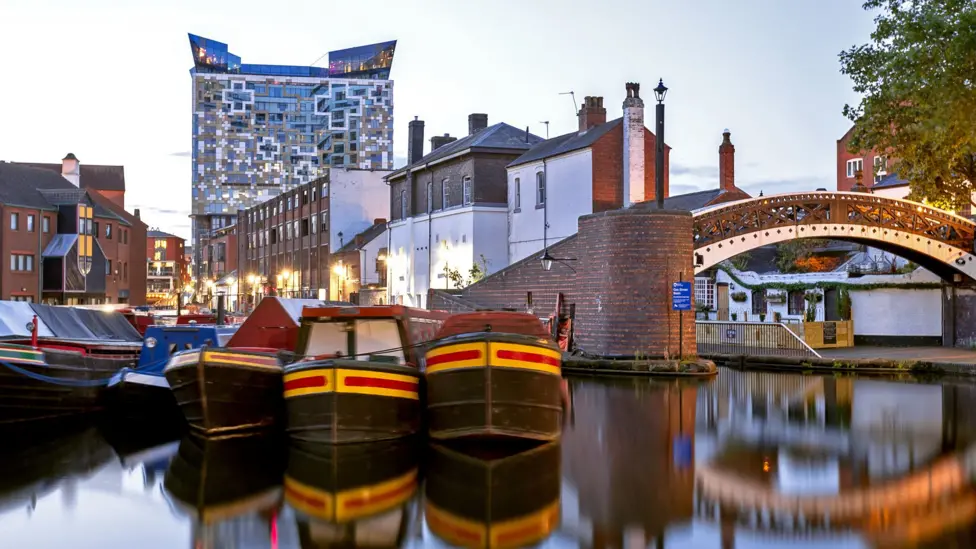
Birmingham, the UK's second-largest city, is on the precipice of a significant political upheaval on May 7, with Labour's 14-year control of the council under considerable threat. Public confidence has been eroded by a 14-month bin strike and the council’s declared bankruptcy, despite official assertions that these issues are now resolved.
National political uncertainty, coupled with local grievances, means the outcome of the local election remains unpredictable. Polls indicate a move towards a multi-party system, with Reform UK, the Green Party, and numerous independent candidates anticipating gains. Labour currently holds 65 of 101 seats, but this majority could face substantial erosion.
In areas such as Sparkhill, a vibrant community with a large South Asian population, independent candidates are campaigning on pro-Palestinian platforms, tapping into dissatisfaction with Labour's stance on the Israel-Gaza conflict. However, some residents prioritise local service delivery over foreign policy, expressing concerns about issues like potholes and fly-tipping. A shopkeeper noted, “They can go on about Gaza – every single Muslim wants peace – but they’re not going to sort that from Birmingham, are they?”
Voter Apathy and Local Concerns Drive Electoral Debate
Views across Birmingham are diverse. While some older voters in Sparkhill indicate they will maintain their traditional Labour allegiance, younger residents are exploring alternatives, with one man in his 30s considering Reform UK due to perceived declines in local conditions since the 1990s. This sentiment is echoed by others who cite uncollected bins and poor road maintenance as key motivators for change.
Further afield in Northfield, a strong community spirit coexists with concerns over rising crime and diminished police presence, alongside the strain of the cost of living crisis. Roger Hackley, a father of two whose house was repossessed, stated he would not vote, feeling unrepresented by any political party. In contrast, Brian Walsh, a local resident, acknowledged the council's historical issues but felt the city was on a path to recovery, despite council tax increases exceeding 17% over two years.
Labour leader John Cotton, in February, insisted the