Borneo Peat Fires Release Ancient Carbon Stores, Volunteer Firefighters Face Grave Risks
Vast peatland fires across Indonesia, especially on the island of Borneo, are releasing immense stores of ancient carbon, presenting a critical environmental challenge. These fires are not merely burning surface vegetation; they are igniting deep peat deposits, which can be several metres thick and have accumulated over thousands of years. The combustion of this organic matter liberates substantial amounts of greenhouse gases, intensifying global climate concerns.
Beyond the long-term climatic impact, the immediate consequence is a toxic smog that frequently blankets large swathes of Southeast Asia, causing severe public health issues. The smoke contains hazardous particulates that can lead to respiratory illnesses and other health complications for millions.
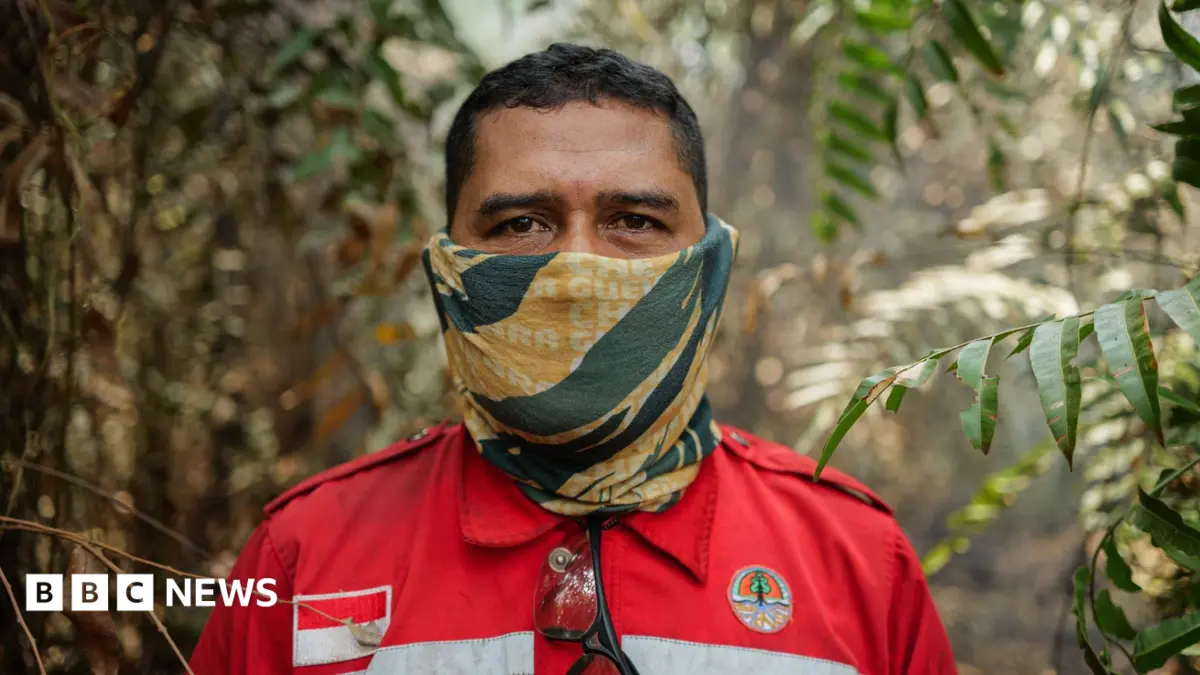
Local volunteer firefighting groups are at the forefront of efforts to combat these blazes, often with inadequate equipment and training. These individuals risk their lives navigating treacherous terrain and toxic fumes to extinguish fires that are notoriously difficult to suppress due to their subterranean nature. Their work involves manually pumping water into the smouldering peat, a laborious and dangerous undertaking against fires that can burn for weeks or months beneath the surface, earning them the moniker 'carbon bombs' due to the sheer volume of stored carbon they release.