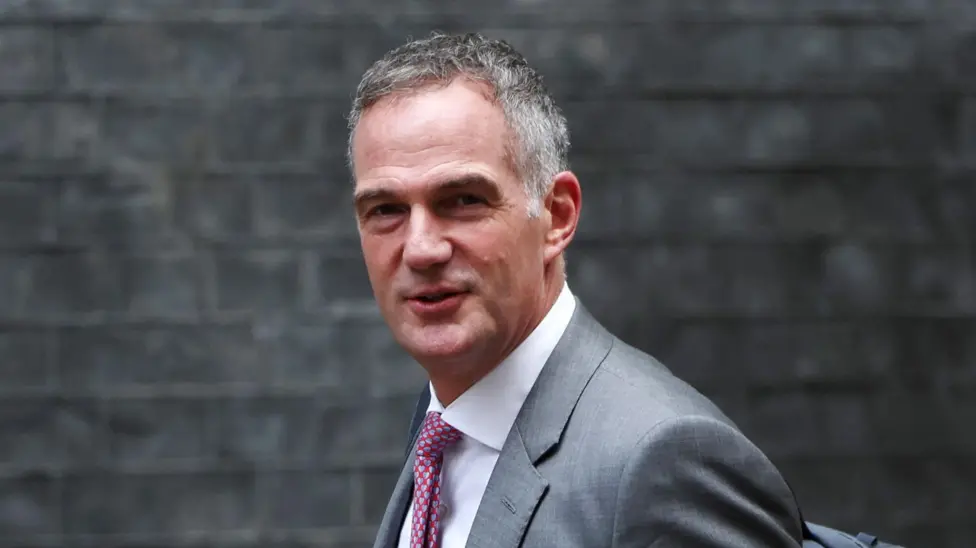
Business Secretary Peter Kyle Criticises Labour MPs' Calls to Replace Leader Sir Keir Starmer
Business Secretary Peter Kyle has cautioned Labour against repeating what he characterised as the Conservative Party's pattern of believing that leadership changes alone resolve governmental problems. Speaking at a parliamentary event, Mr Kyle expressed frustration regarding criticisms that the government “lacked a sense of leadership”, particularly as Prime Minister Sir Keir Starmer faces ongoing pressure to step down following recent poor election results.
Despite the speculation within Westminster, no formal challenge to Sir Keir's leadership has emerged. Mr Kyle stated, “I don't think we've learned the lessons of the Tory Party in government, where every time there was a problem that was experienced with their government, there was only one solution, and that's changing the leader at the top.” He described his party's failure to absorb this lesson as “a frustration of mine”.
Mr Kyle further criticised colleagues for “conveniently” attributing governmental issues to a single individual, arguing that “it's easy to blame one person, and not accept responsibility for our collective endeavour as a government.” Following substantial losses in last month’s elections across England, Wales, and Scotland, nearly one hundred Labour MPs signed a letter urging Sir Keir to resign or establish a departure timeline. Sir Keir has, however, affirmed his intention to remain and contest any leadership challenge, with over 100 Labour MPs signalling their support.
The Prime Minister's authority has also been undermined by the controversy surrounding Lord Mandelson's appointment as the UK's ambassador to the United States, alongside the resignations of five ministers post-election, including former health secretary Wes Streeting. Mr Streeting has indicated he would participate in a leadership contest, contingent on Greater Manchester Mayor Andy Burnham winning the upcoming Makerfield by-election on 18 June.
Mr Kyle, a close associate of Mr Streeting, dismissed the notion of leadership being a matter of “entitlement” and criticised the political system's tendency to reward those who “thrust themselves forward at moment of instability” rather than those who “deliver stability and authority at times of challenge”.