Wizz Air UK Chief Advises British Holidaymakers to Arrive Three Hours Early at European Airports
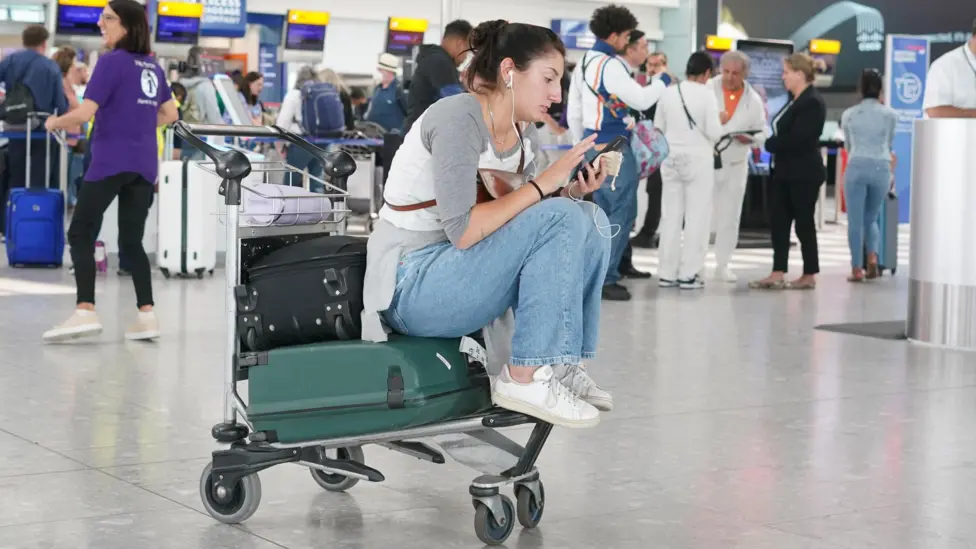
British holidaymakers should plan to arrive at European airports three hours prior to their scheduled departure for flights back to the UK, according to Yvonne Moynihan, the UK boss of budget airline Wizz Air. This recommendation stems from extensive queues at passport control, which have reportedly caused numerous passengers to miss connecting or outbound flights.
The delays are largely attributed to the European Union's new Entry Exit System (EES), which mandates biometric registration, including fingerprints, for non-EU travellers entering and exiting many European countries. Since its October implementation, nearly 80 million entries and exits have been processed.
Concerns Over EES Implementation and Airport Preparedness
Despite a European Commission spokesperson asserting that EES is operating effectively at “almost all border crossing points,” ACI Europe, the airport industry's trade body, contradicts this assessment. A recent survey of 45 airports across 20 EU states revealed EES-induced queues of up to three and a half hours. ACI Europe warns of a worsening, potentially “unmanageable,” situation as passenger numbers surge towards the summer peak, calling for technical issues and border staffing levels to be urgently addressed.
Moynihan highlighted that the impact of the new checks is “fragmented across Europe,” noting considerable delays at “usual hotspots such as Spain, Portugal, France,” even as some journeys have been seamless. Greece has notably suspended biometric checks for British citizens to mitigate summer disruption, a measure Moynihan advocates for other nations during the peak travel period.
The European Commission maintains that EES registration typically takes around one minute, placing the onus on member states to ensure proper implementation and sufficient border guard deployment. Portugal, a country that has seen significant delays, has announced plans to recruit an additional 360 border officers for its airports by July.
Amidst these operational challenges, there is also speculation regarding potential jet fuel supply issues and flight cancellations this summer, possibly influenced by geopolitical events. Wizz Air has observed a trend of late bookings, leading to “very affordable prices” to stimulate demand. Moynihan, however, expressed confidence that suppliers have adapted, no shortages are anticipated, and no schedule cuts are expected, despite potential future fare increases if oil prices remain elevated.