Campaigner Seeks to Introduce Human Composting to the UK
A campaign is underway to bring human composting to the UK, offering an environmentally conscious alternative to traditional burial and cremation. Kristoffer Hughes, a Druid and former specialised mortuary technician, is leading the charge, inspired by his experiences with terramation facilities in the United States.
What is Human Composting?
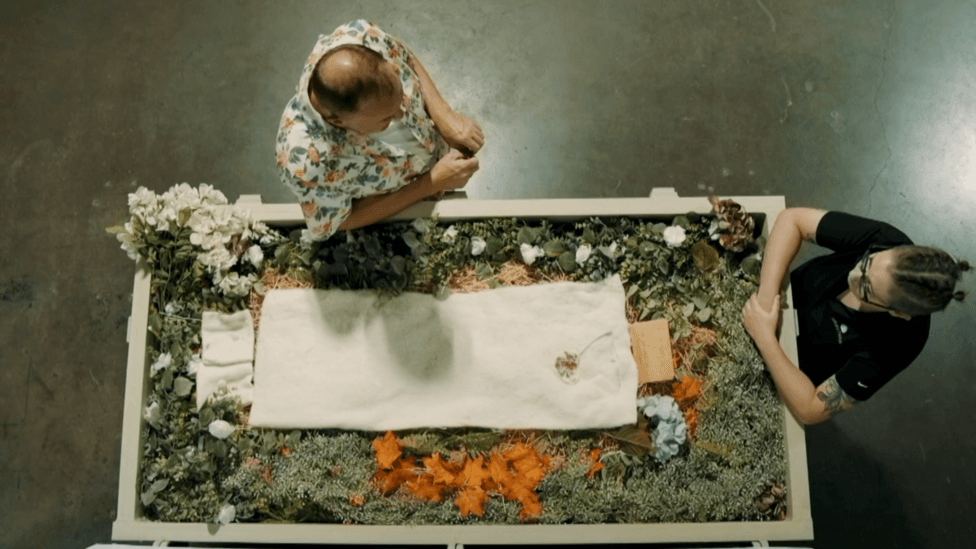
Human composting involves placing a deceased body in a sealed vessel with organic materials like wood chips, straw, and alfalfa. Over approximately 60 days, the body naturally transforms into nutrient-rich soil, which can then be returned to families for planting or scattering.
Hughes, who personally experienced lying in a terramation casket, described the process as feeling "immersed in summer" and "deeply ecological and spiritually meaningful." He believes it offers a natural and hopeful approach to death, transforming the body rather than merely disposing of it.
The Path to Legalisation
Currently, human composting is not legal in the UK. However, the Law Commission’s imminent publication of a consultation on new funerary methods could pave the way for legislative changes. The Ministry of Justice has stated it awaits these findings and will respond accordingly. In Scotland, a similar alternative, water cremation, has recently been legalised.
Hughes, alongside colleague Chris Cooper-Hayes, has founded Eterrna, an organisation aiming to be the first to offer terramation services in the UK. They have undertaken training in the US, preparing for a potential shift in legislation.
Environmental and Economic Benefits
Advocates argue that human composting provides significant environmental benefits by avoiding the carbon emissions associated with cremation and the land usage of traditional burials. Furthermore, Hughes suggests that terramation could be a more affordable option than conventional funerals, citing lower costs in the US. The average cost of a simple funeral in the UK is £3,800, with burials being even more expensive.
Opposition and Broader Discussions
Despite its perceived benefits, human composting has faced opposition, particularly from the Catholic Church in the United States, which views it as lacking the respect due to human remains. The Vatican recommends burial in sacred places and, while not opposing cremation, prohibits the scattering of ashes.
Hughes is keen to foster a national conversation about death, a subject he believes has long been a taboo in Western society. He envisions terramation as a way to "give something back" to the planet, a beautiful continuation of life through transformation.