Carney Nears Liberal Majority as Crucial By-Elections Conclude
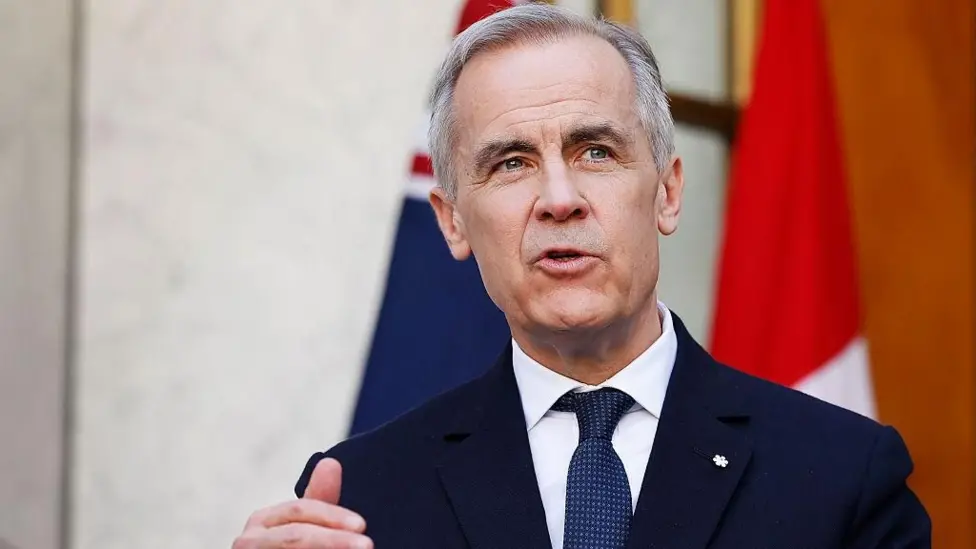
Canadian Prime Minister Mark Carney's Liberal Party is on the verge of securing a slim majority in the House of Commons, a development that would allow the government to pass legislation without relying on opposition support. The outcome hinges on three by-elections held yesterday: two in the Toronto area and one near Montreal.
The Liberals currently hold 171 of the 343 seats, just one shy of a technical majority. Victories in the two Toronto constituencies, Scarborough Southwest and University-Rosedale, are widely anticipated. These seats were previously held by prominent Liberal figures Bill Blair and Chrystia Freeland, respectively.
The third contest, in Terrebonne, a Montreal suburb, is considered a much tighter race against the Bloc Québécois, with last year's federal election in the riding decided by a single vote before being nullified due to a clerical error.
Strategic Gains and Defections
Even without a clean sweep of the by-elections, Mr Carney has already strengthened his position through a series of defections. Five opposition Members of Parliament – four former Conservatives and one New Democrat – have recently crossed the floor to join the Liberal benches. This rate of party-switching has been described by political scientists as 'extraordinary'.
This 'big tent' approach, while bolstering Liberal numbers, has raised questions about the ideological coherence within the party. Mr Carney has had to defend the inclusion of figures like Marilyn Gladu, a former Conservative with socially conservative views, amidst assurances that the party's core 'values' remain unchanged.
The defections have drawn sharp criticism from the Conservative opposition, with leader Pierre Poilievre accusing the Liberals of 'backroom deals' and undermining democracy. However, the movement also highlights potential dissatisfaction within Conservative ranks regarding Mr Poilievre's leadership and the party's prospects of forming a government.
Polls currently indicate a significant lead for the Liberals over the Conservatives, with Mr Carney enjoying strong personal support. His leadership has seen a more politically conservative shift for the party compared to his predecessor, Justin Trudeau, including an end to the consumer carbon tax and a push to establish Canada as an 'energy superpower'.