Childhood Dementia: A Family's Plea for Greater Support and Awareness
The Devastating Reality of Childhood Dementia
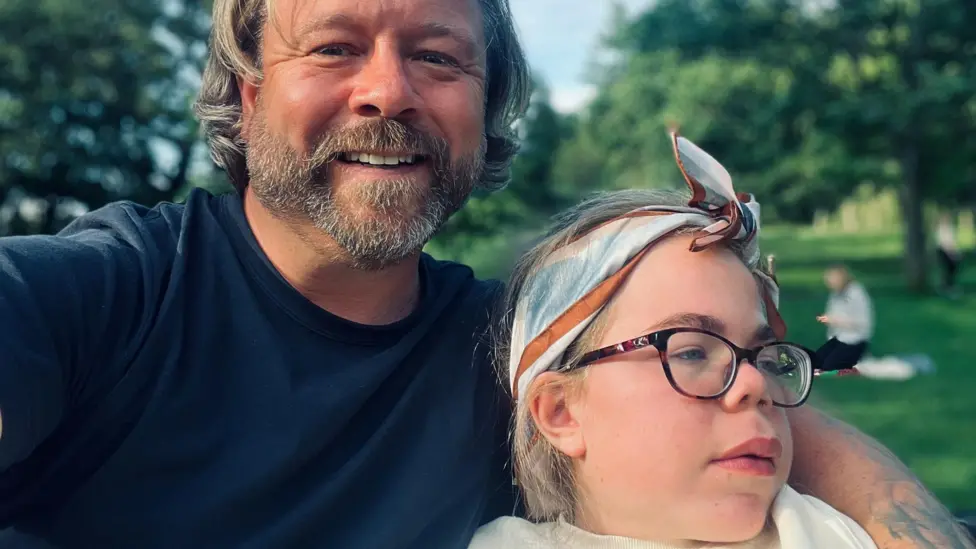
Sophia Scott, a 15-year-old from Glasgow, is living with Sanfilippo syndrome, a rare and incurable genetic disorder that causes childhood dementia. Her parents received the devastating diagnosis just before her fourth birthday, with little guidance beyond being advised to cherish their remaining time with her. Now, Sophia can no longer speak and requires constant assistance, with her family preparing for the possibility that she may not live past her sixteenth birthday.
Her father, Darren, campaigns tirelessly to raise awareness of Sanfilippo syndrome and other forms of childhood dementia. He recalls Sophia's early childhood as happy and active, with initial developmental delays giving no indication of the profound challenges to come. The initial diagnosis left Sophia's parents feeling isolated and unsupported, a sentiment Darren continues to highlight in his advocacy work.
A Call for Comprehensive Support
As Sophia's condition progressed, marked by behavioural changes and a gradual loss of her abilities, the emotional toll on her family has been immense. Darren stresses the pain of witnessing his daughter's decline and the profound difficulty of no longer hearing her voice. He highlights a crucial gap in provision, noting that while the family receives some care hours, the primary responsibility for Sophia's extensive needs falls almost entirely on him and her mother, Amanda.
Campaigners, including Alzheimer Scotland, emphasise that childhood dementia remains largely misunderstood and under-recognised within health, social care, and education systems. They argue that affected children and families are often left to navigate this complex condition without a clear pathway of care or adequate support.
Progress and Persistent Challenges
The Scottish government recently announced funding for two new childhood dementia development officers through Alzheimer Scotland, a move welcomed by Darren as a step forward. However, he also points out that this initiative underscores the historical lack of dedicated assistance for families like his. Alzheimer Scotland's report, published in December 2023, advocates for the inclusion of childhood dementia in the national dementia strategy, alongside a standardised care framework and increased research investment.
While acknowledging the importance of the newly funded roles, campaigners assert that much more is needed. Jim Pearson, Deputy Chief Executive of Alzheimer Scotland and Chairman of Childhood Dementia Scotland, stresses that childhood dementia remains "largely invisible" and urges Scotland to act decisively to ensure every child receives timely and compassionate support. For Darren, the ultimate goal is to ensure that no family faces such a diagnosis alone and that whatever time Sophia has left is as comfortable and supported as possible.