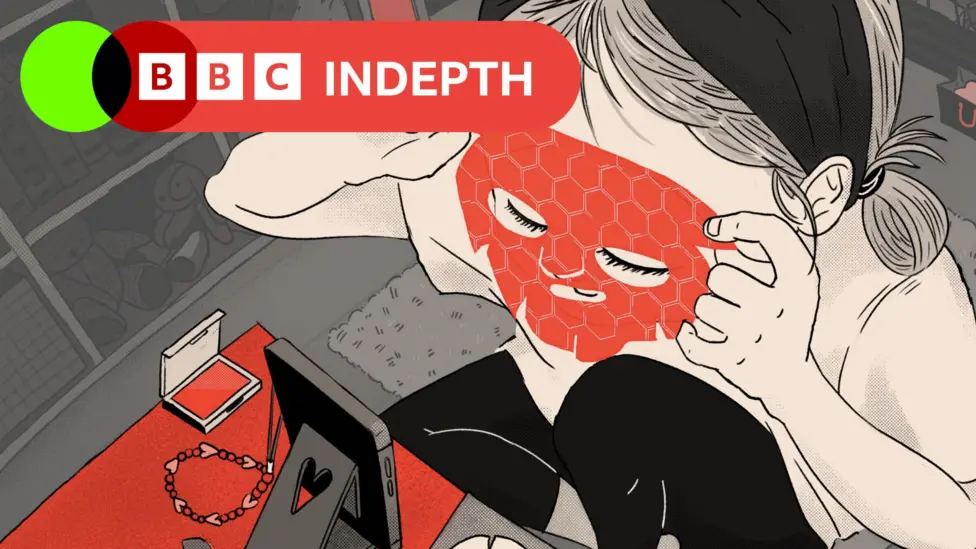
Children as Young as Eight Suffer Skin Damage from Anti-Ageing Product Overuse
A new term, 'cosmeticorexia', has been introduced by dermatologists and academics to describe a troubling trend among young girls: an unhealthy obsession with achieving 'flawless' skin through the excessive use of cosmetic products. This behaviour is linked to extensive exposure to skincare content on social media platforms, with children as young as three or four years old featuring in 'get ready with me' videos showcasing multi-step skincare routines.
Professor Giovanni Damiani, an Italian dermatologist at the University of Milan, observed this compulsion among his younger clients, aged between eight and 14. His research indicates that children exhibiting signs of cosmeticorexia are often mobile-phone obsessed, spend hours watching skincare videos, use up to 10 different products daily, and feel unable to socialise without make-up.
Regulatory Scrutiny and Health Concerns
The Italian Competition Authority (AGCM) has initiated investigations into beauty giant LVMH, owner of Sephora and Benefit, scrutinising whether their brands are failing to clearly state that products are not intended for children and adolescents. The AGCM is also examining alleged 'covert marketing strategies involving young micro-influencers'. LVMH states it is cooperating with authorities and adheres to regulations, maintaining it does not target young people or work with underage influencers.
In the UK, the Advertising Standards Authority (ASA) is monitoring these developments, exploring evidence of similar issues but has not yet taken formal regulatory action.
Dr Jean Ayer, a consultant dermatologist, has observed a significant increase in children seeking consultations for skin reactions. She reports seeing young patients, some as young as eight, with severe reactions to beauty products. These products, often designed for the anti-ageing market, contain active ingredients such as retinol, which can overstimulate and damage delicate young skin, leading to 'retinol burn', soreness, eczema-like rashes, and long-term sensitivity.
Ayer also highlights a small but growing concern that the surge in applying various face creams at a young age could contribute to frontal fibrosing alopecia, where the front hairline recedes.
Psychological Impact and Industry Response
The financial implications are also notable; one study found the average cost of skincare routines promoted by under-18s on TikTok was £125, requiring replenishment every few months.
Alberto Stefana, an Italian psychologist who co-authored a paper on cosmeticorexia with Professor Damiani, warns of potential long-term psychological impacts. He notes crossovers with body dysmorphic disorder (BDD) and has observed anxiety and embarrassment in children as young as seven or eight years old. Stefana states that children's self-esteem becomes increasingly tied to social media validation, leading to a warped perception of attractiveness based on filtered and AI-generated images that do not exist in reality.
The Cosmetics Toiletry and Perfumery Association (CTPA) in the UK has released a guide for parents, acknowledging that 40% of nearly 1,000 surveyed parents admitted to knowing less about skincare than their children. The CTPA advocates for age-appropriate products and routines, disavowing the use of anti-ageing products by young people.
While platforms like TikTok claim safeguards for teenagers and prohibit targeted advertising to under-18s, critics argue that the responsibility extends to skincare brands and parents. The prevalence of child brand ambassadors, promoting these products and lifestyles, is seen as legitimising an environment that may foster distorted self-perception and anxiety among young people.