Colombians Vote for President; US Relations and Drug Trafficking Policies at Stake
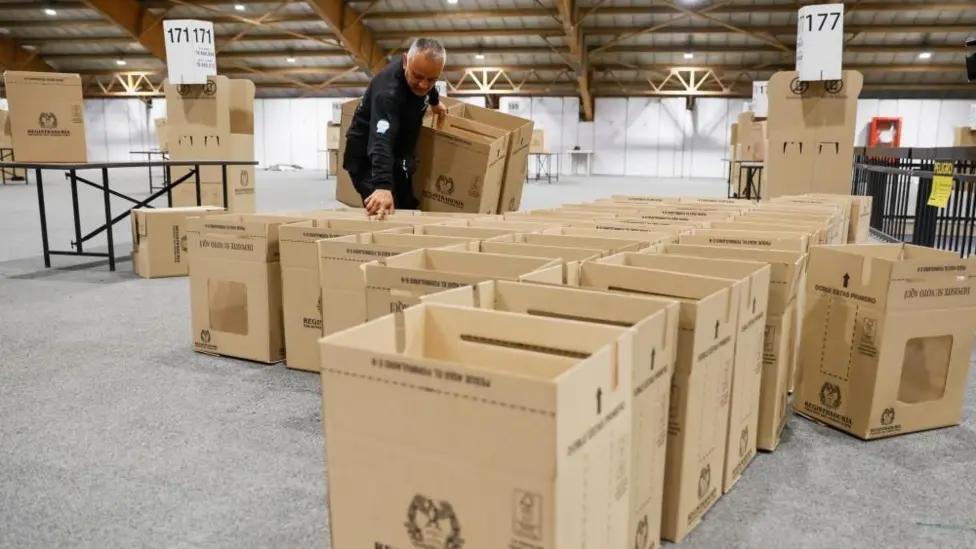
Voters across Colombia are casting ballots today to elect a new president, a contest that observers note could significantly alter the country's foreign policy orientation and domestic strategy against organised crime.
The election occurs against a backdrop of considerable public discord between current left-wing President Gustavo Petro, who is constitutionally barred from re-election, and US President Donald Trump. Disputes have centred on drug trafficking and the perennial question of US intervention in Latin America.
Iván Cepeda, endorsed by Petro, leads polling. He proposes continuing the administration's 'total peace' initiative, seeking negotiated settlements with armed groups involved in drug trafficking. However, these talks have seen frequent breakdowns and a documented surge in violence, with the International Committee of the Red Cross reporting the highest civilian impact from armed conflict in a decade last year.
Challenging Cepeda are centre-right candidates Abelardo de la Espriella and Paloma Valencia. Both have pledged a more confrontational military approach to drug gangs if elected and advocate for re-establishing a close security alliance with the US.
The campaign has been marred by political violence, including the fatal shooting of a candidate last summer. De la Espriella notably appeared at a rally in Medellin last week behind bulletproof glass, a stark illustration of the security climate.
Trump has accused Petro of failing to stem the flow of cocaine to the US, going as far as to label him a "sick man who likes selling cocaine to the United States" and suggesting he "could be next" for US military intervention. While Petro asserts his government has overseen record drug seizures, the UN's World Drug Report 2025 indicates a concurrent rise in cocaine production, a methodology Petro disputes. Despite these tensions, the two leaders met in February, where Trump characterised Petro as "terrific", suggesting a momentary thawing of relations, although core disagreements persist.
Voting commenced at 08:00 local time (13:00 GMT) and concludes at 16:00. An outright majority is unlikely for any candidate, with a run-off vote anticipated on 21 June.