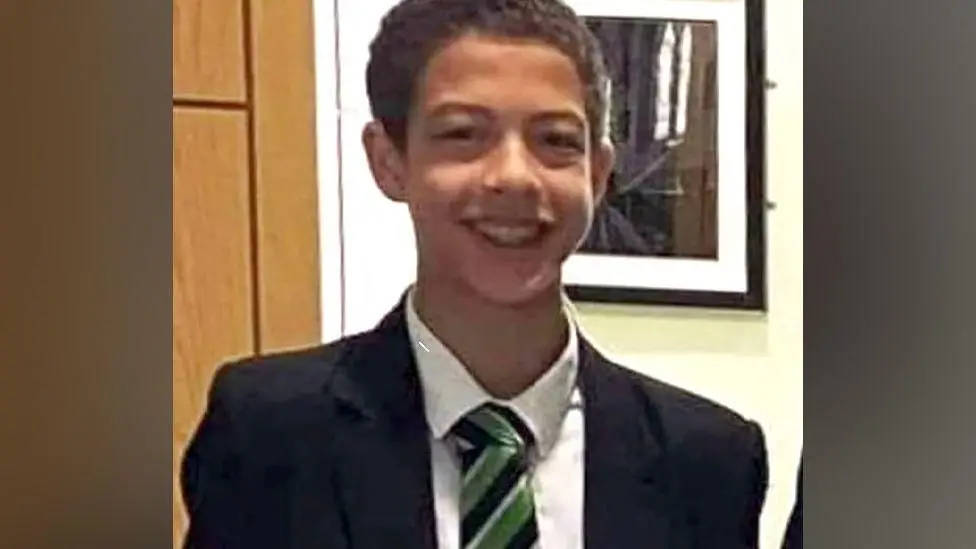
Department Official Rejects Claims of Ignorance Over Locked Culvert Hatch in Noah Donohoe Inquest
Jonathan McKey, a senior official at the Department for Infrastructure (DfI), has rejected claims at the Noah Donohoe inquest that his department "hadn't a clue" about the status of a culvert entrance in north Belfast. Noah Donohoe, 14, was found deceased in an underground drainage system in June 2020, six days after his disappearance. His body was located over six hundred metres downstream from an inlet situated behind properties on Northwood Road.
The inquest heard from Noah's mother's lawyer that the teenager died after "having got access through a hatch or bars" at the culvert. Questions have persisted regarding the safety provisions at the culvert inlet, particularly whether a hatch alongside steel debris bars was secured.
Giving evidence on Friday, Mr McKey stated that definitive knowledge of a padlock's presence on the hatch in the months preceding Noah's death was absent. However, he opined, "To be fair and reasonable I think it wasn't locked." He firmly disputed the family lawyer's assertion that the department was entirely ignorant of the situation, adding, "It was an absolute shock to us that Noah had lost his life in a culvert that the department maintained."
Mr McKey explained that the department had no centralised policy mandating whether culvert hatches should be locked, leaving such decisions to local operations teams. He clarified that the culvert in question featured a debris screen, not a security screen, and therefore did not necessitate a padlock. The family barrister contended that a security screen would have prevented Noah's death, noting concerns from a Northwood Road resident regarding the area's dangers. Mr McKey maintained that a debris screen was appropriate for managing flood risks to homes on Shore Road. He concluded, "Where there are lessons to be learned, we'll learn those lessons."