DR Congo: Five Ebola Patients Recover and Discharged from Ituri Hospitals
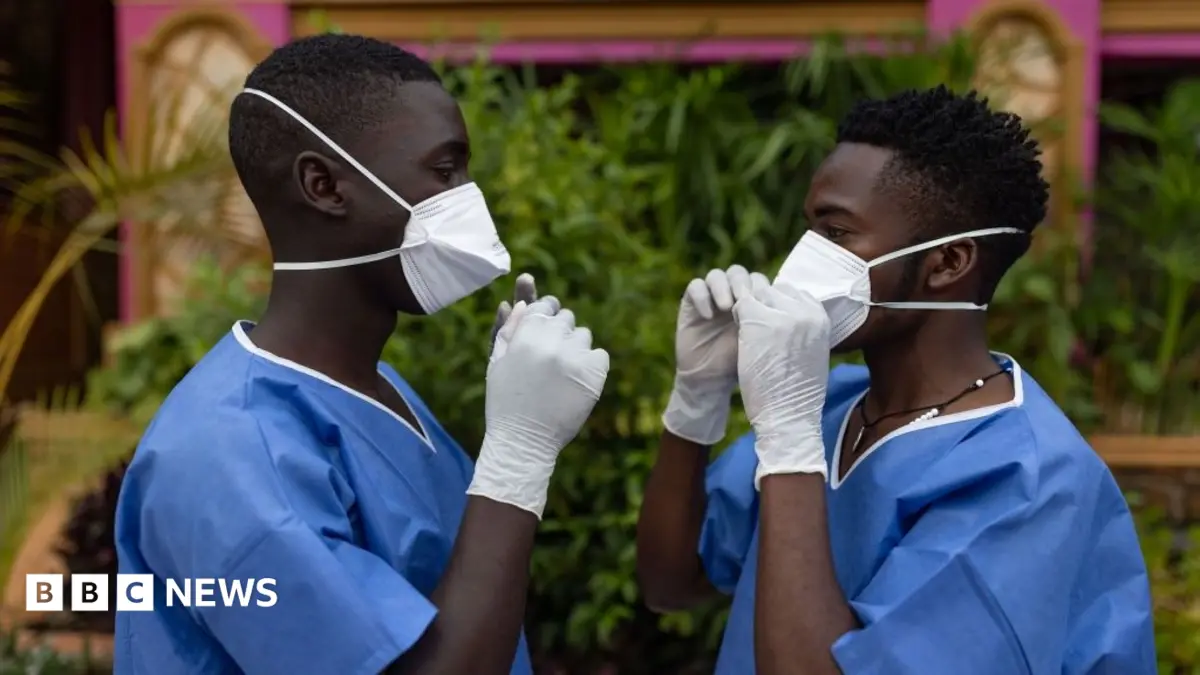
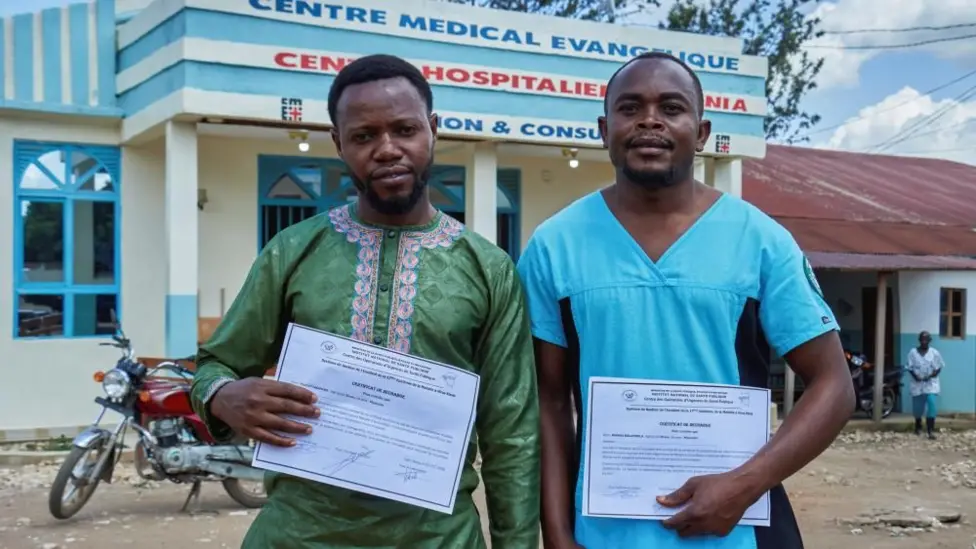
Five patients, including a group of four nurses, have been discharged from medical facilities in Bunia, the provincial capital of Ituri, Democratic Republic of Congo, after successfully recovering from Ebola. Their release follows that of a laboratory worker last week, marking a significant, albeit isolated, achievement in containing the current outbreak.
Community Cooperation Crucial Amidst Outbreak
Dr. Tedros Adhanom Ghebreyesus, World Health Organisation (WHO) chief, visited Bunia to commend the recovered nurses, stating, "You are living stories that this outbreak can be stopped." He emphasised the effectiveness of early detection, medical care, contact tracing, and community engagement in combating the virus.
Despite these recoveries, the outbreak continues to pose severe challenges. There are now over 1,000 suspected Ebola cases in DR Congo, with at least 246 fatalities. Neighbouring Uganda has reported nine confirmed cases and one death. The virus, identified as the Bundibugyo species, currently lacks approved vaccines, with development efforts ongoing.
Official statements consistently urge communities to collaborate with medical staff, particularly in adopting safe burial practices. Strict regulations prohibiting relatives from handling the bodies of Ebola victims have clashed with local traditions, leading to instances of resistance and even attacks on health centres. The Congolese government and WHO maintain that local communities are "at the heart of the solution," and that "success" in the response hinges on their trust and engagement. However, the recurring pattern of community pushback against public health measures underscores the persistent difficulty in reconciling public health directives with deeply ingrained cultural practices, often exacerbated by a prevailing distrust of external interventions.
Kenya Protests US Ebola Quarantine Facility
Further afield, protests have erupted in Nanyuki, Kenya, over US plans to construct an Ebola quarantine facility for American citizens at an air base. Residents are expressing concerns that the facility could expose local populations to infection, despite no recorded Ebola cases in the country. A Kenyan court recently suspended these plans, citing potential public health risks. This episode highlights how the perceived securitisation of public health, especially when involving foreign military interests, can quickly generate local opposition and exacerbate existing anxieties.