DR Congo: Human Rights Watch Details Executions, Rapes by M23 and Rwandan Soldiers in Uvira
Human Rights Watch (HRW) has released a comprehensive report detailing widespread atrocities committed by the M23 rebel group and Rwandan soldiers during their weeks-long occupation of Uvira, a lakeside city in eastern Democratic Republic of Congo, last December.
The investigation found evidence of the execution of 53 civilians – 46 men, one woman, and six children – during systematic door-to-door raids. Many interviewees reported witnessing these acts carried out by uniformed Rwandan soldiers alongside M23 fighters.
Rwanda has consistently denied providing support to the M23 or deploying its own soldiers to the resource-rich eastern DR Congo. However, UN experts have previously accused Rwanda of exercising "de facto control" over M23 operations, including training and providing high-tech weaponry.
The HRW report, the first detailed account of the occupation, also documented eight cases of rape allegedly committed by the rebels and Rwandan military personnel. One woman recounted being stripped, tied, and raped, her husband subsequently shot dead when he attempted to intervene.
Further allegations include abductions, enforced disappearances, and forced recruitment. HRW investigators visited three purported mass graves in Uvira, including one at a former UN peacekeeping site. Children were also specifically targeted, with one 12-year-old boy shot and then stabbed with a bayonet to confirm his death.
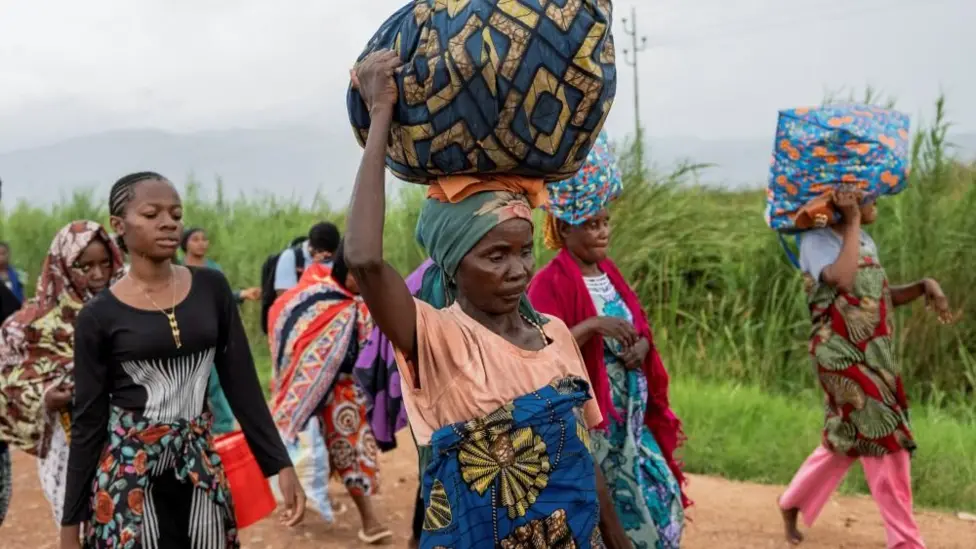
The M23 captured Uvira days after a US-brokered peace deal between DR Congo's President Felix Tshisekedi and Rwandan President Paul Kagame. The rebels withdrew in January following intense diplomatic pressure. Tens of thousands of people fled their homes during the occupation.
HRW stated that both the Rwandan government and M23 leaders were contacted in April for responses to the allegations but did not reply. These documented abuses are believed to constitute war crimes, adding to the extensive evidence of violence against civilians in eastern DR Congo.