Elon Musk Achieves Trillionaire Status as SpaceX Valuation Propels Fortune
Elon Musk attained the unprecedented status of the world's first trillionaire on Friday, a direct consequence of his space exploration company SpaceX's successful stock market debut. His current estimated net worth stands at around $1.11tn, according to Bloomberg, placing him far beyond other notable billionaires such as Larry Page, Sergey Brin, Jeff Bezos, and Bernard Arnault.
Musk, whose initial impact on the technology sector dates back to the late 1990s, was not always at the pinnacle of global wealth. In January 2020, he was ranked 35th globally, with a fortune of approximately $28bn. However, his wealth experienced a rapid escalation that year, driven by the substantial growth in value of his two primary enterprises: the electric vehicle manufacturer Tesla and the space and AI firm SpaceX. Musk holds considerable stakes in both companies.
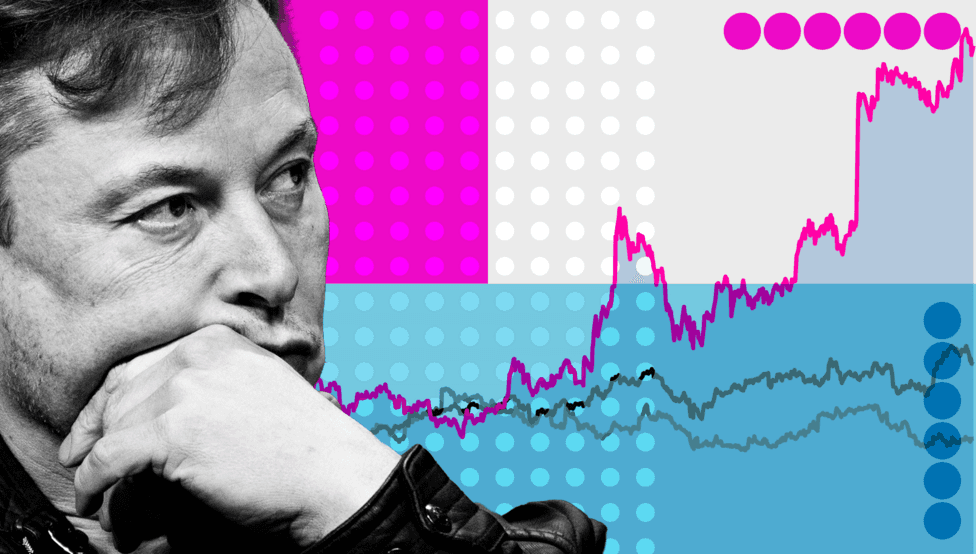
His financial trajectory has been marked by significant volatility, characterised by dramatic surges and steep declines influenced by fluctuations in Tesla's share price, the appreciating value of SpaceX, and shifts in political and investor sentiment during his engagement with the Trump administration. By January 2021, he briefly surpassed Jeff Bezos to become the world's wealthiest individual. A downturn in US tech stocks in 2022 and investor concerns regarding his involvement with the Trump administration in early 2025 led to temporary declines in his fortune. Nevertheless, he consistently recovered, now standing nearly four times wealthier than Larry Page and over five times richer than Mark Zuckerberg.
Musk's immense wealth is predominantly composed of stock holdings, which are inherently subject to market sentiment. He reportedly holds less than 0.1% of his net worth in cash. He possesses a 12% stake in Tesla, valued at approximately $1.5tn, and a 42% stake in SpaceX, now exceeding $2tn. A significant portion of these shares is pledged as collateral against personal loans. He also maintains interests in smaller ventures, including The Boring Company and Neuralink. This substantial reliance on paper assets, rather than liquid capital, highlights a striking imbalance within his financial structure.
The current global rich list predominantly features tech titans, a marked shift from historical trends where fortunes were amassed in sectors like finance and manufacturing. In 2015, only two of the top 10 wealthiest individuals were from the technology sector; this number has since increased to seven, encompassing the entire top six positions, underscoring the tech industry's monopolisation of extreme wealth over the past decade.