EU Airlines Face Imminent Jet Fuel Crisis Amidst Strait of Hormuz Closure
Urgent Warning Issued
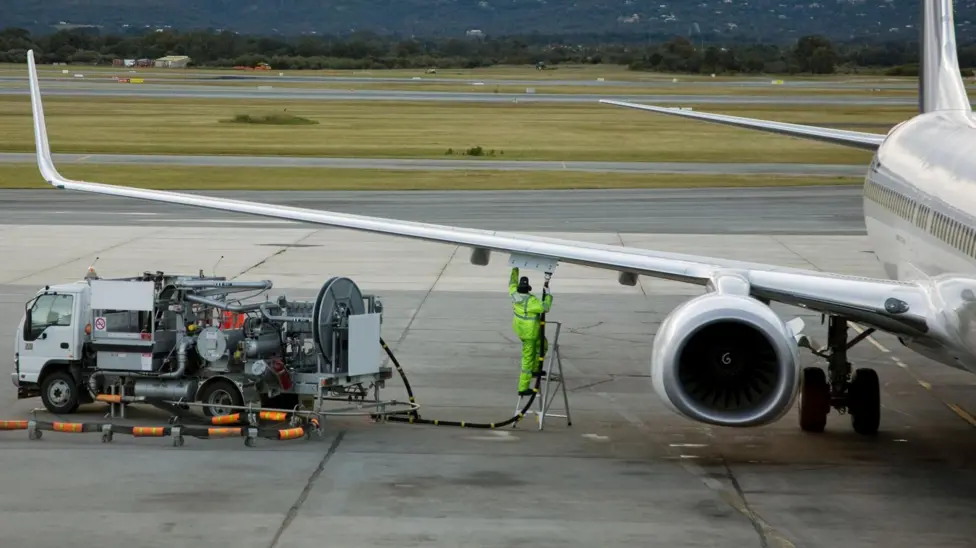
The European airline industry is on the brink of a systemic jet fuel shortage, according to an urgent warning from Airports Council International (ACI) Europe. The trade body has cautioned that if the Strait of Hormuz, a crucial transit point for approximately half of Europe's aviation fuel imports, does not reopen significantly and stably within the next three weeks, a critical supply crunch is inevitable.
Economic Fallout Feared
Olivier Jankovec, ACI Europe's director-general, has written to European commissioners, highlighting the growing concerns among members, especially with the impending summer tourism season. He stressed that a supply disruption would severely impede airport operations and air connectivity, with potentially harsh economic repercussions for affected communities and the broader European economy. Smaller airports, which often operate on tighter margins, are deemed particularly susceptible to these shortages.
The benchmark European jet fuel price has already soared to an unprecedented $1,838 per tonne, more than double the pre-crisis level. This has prompted several airlines globally to reduce flights and increase passenger fares.
Call for EU Intervention
ACI Europe has urged the EU to intervene proactively, arguing that simply relying on market forces is insufficient. The organisation has criticised the current lack of an EU-wide assessment of jet fuel production and availability. Proposals include collective purchasing of jet fuel and the temporary lifting of import restrictions and regulations. Furthermore, the crisis is seen as an opportunity to reinforce support for Sustainable Aviation Fuel (SAF) production, acknowledging that conventional jet fuel prices are likely to remain elevated in the long term.
Jankovec also pointed out the existing fragility of airports with fewer than a million passengers annually, emphasising that fuel shortages could further jeopardise their viability and threaten local communities, thereby impacting European cohesion. The aviation sector contributes a substantial "851 billion to European GDP annually and supports 14 million jobs.