EU Digital Border System Fully Operational, Potential for Travel Delays
New EU Digital Border Checks Implemented
The European Union has officially activated its new digital border control system, the Entry/Exit System (EES), at most Schengen border crossing points. This system mandates the collection of fingerprints and a photograph from non-EU citizens, including those from the UK, alongside a passport scan upon entry and exit.
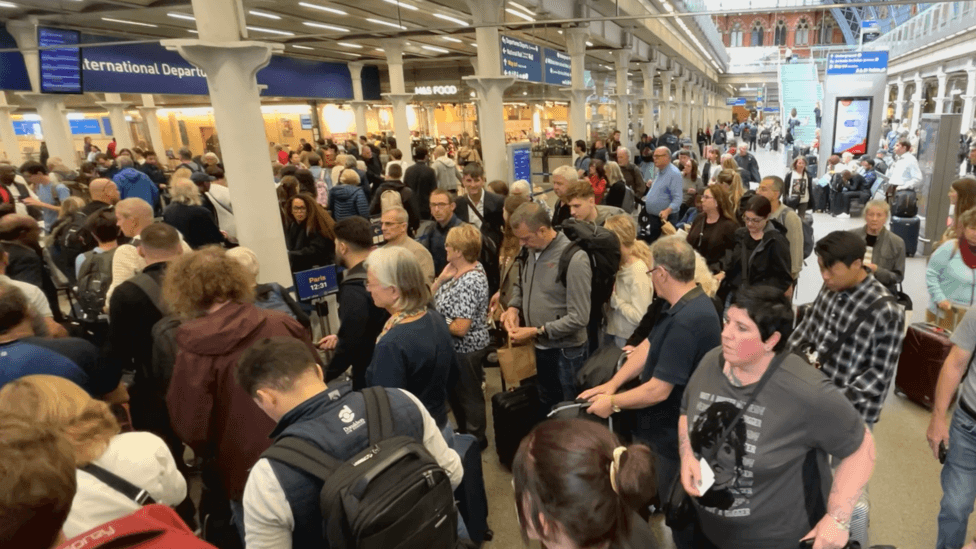
Introduced gradually since October, the EES aims to bolster security and eventually replace traditional passport stamping. However, its phased implementation has not been without hitches, leading to considerable queues at some European airports and concerns over potential worsening delays during peak holiday periods.
Biometric Registration and Process
Under the EES, travellers will register their biometric information on their first use, with this data remaining valid for three years. For air travellers, this process will occur upon arrival at European airports. However, those travelling via Eurostar, Eurotunnel, or ferries from Dover will undergo these checks upon departure from the UK.
At these Channel crossings, passengers will typically use dedicated kiosks to scan their passports, provide fingerprints, and have their photos taken. Children under 12 are exempt from fingerprinting. The system may also prompt travellers with questions regarding their stay and financial means.
Challenges and Preparations
Despite assurances from transport operators like Eurotunnel and Eurostar, there are ongoing concerns about the additional processing time per traveller. Reports of IT issues and lengthy queues have already surfaced, with some airports, including Milan and Lisbon, not yet fully implementing the system.
The European Commission has indicated that temporary suspensions of EES checks may be permitted during busy periods until September to mitigate delays. Significant infrastructure changes have been made at locations such as the Port of Dover and London St Pancras to accommodate the new system, with hopes that a gradual rollout will minimise disruption.
Looking ahead, the EU is also preparing to introduce the European Travel Information and Authorisation System (ETIAS) by late 2026. This visa waiver system, linked to EES, will require non-EU citizens who do not need a visa to apply online for authorisation before travel, at a cost of €20.