Foreign AI Accounts Distort UK Immigration Reality, London Mayor Sadiq Khan Warns
An intricate network of social media accounts, predominantly managed from countries including Sri Lanka, Vietnam, the Maldives, and with links to Iran and the UAE, is actively generating and sharing AI-produced content to foster anti-immigration sentiment in the UK. These accounts often mimic British national perspectives, utilising AI-generated figures to promote a narrative of decline, frequently attributing it to Muslim immigration.
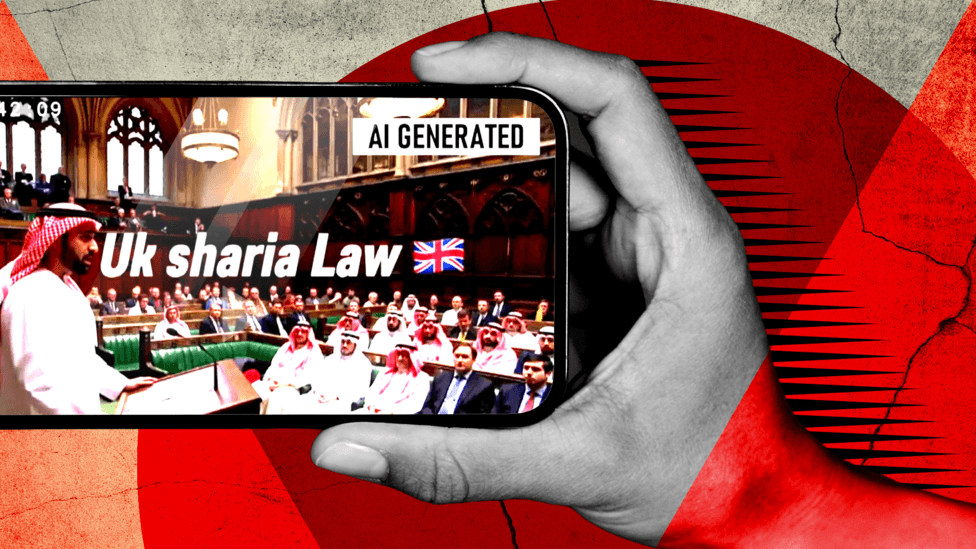
For example, the "Great British People" Facebook page, purporting to be from Yorkshire but operated from Sri Lanka, recently garnered 1.3 million views for a video featuring an elderly white British man lamenting his pension. Other content includes fabricated news reports on "mass immigration" and speculative depictions of future British cities like Liverpool and London as run-down and dominated by Islamic customs.
London Mayor Sir Sadiq Khan has highlighted the impact of these fabrications, noting that while some are financially motivated, others exhibit characteristics of state-sponsored influence operations, citing evidence of Russian and Iranian activity. City Hall research indicates a marked increase in such posts over the past two years, with two primary drivers identified: state actors and individuals or companies seeking to profit from social division.
Cambridge University social psychologist Professor Sander van der Linden describes these operations as a "new evolution of influence operations," facilitated by the low cost of acquiring UK-registered social media accounts. Professor Yvonne McDermott Rees of Queen's University Belfast further notes that research suggests people are poor at discerning AI-generated fakes, often overestimating their ability, and that exposure to such content can erode trust in authentic material.
Despite Meta's assurances of action against "co-ordinated inauthentic behaviour," the proliferation of these accounts continues to shape public discourse. Some content creators admit their motivation is financial gain through social media engagement, while others claim a political agenda to "inform people and voters about what we believe could happen." Critically, comments on these AI-generated videos reveal a disturbing level of public acceptance, with some users endorsing the content despite acknowledging its artificial origin.