Former Armed Forces Minister Al Carns Urges Prime Minister to Fund Defence 'Boldly'
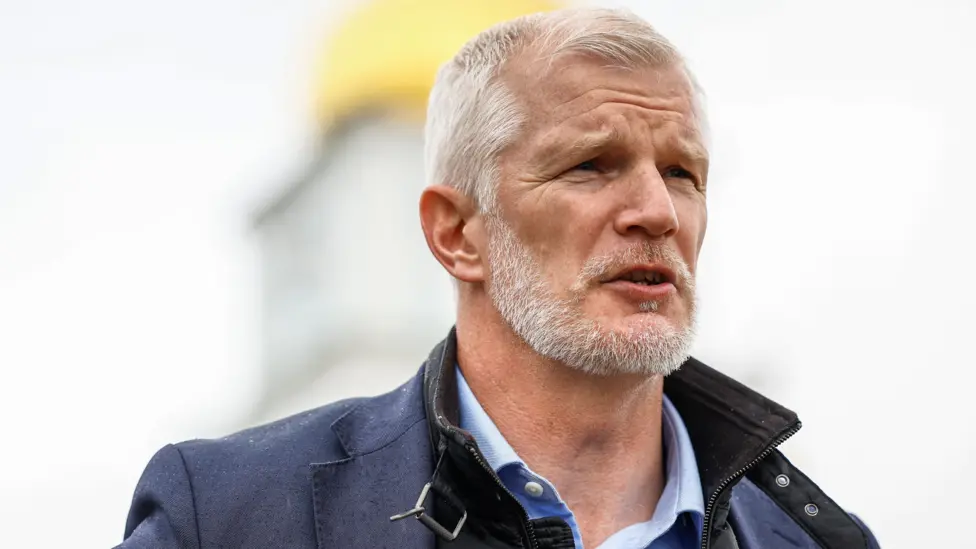
Al Carns, who recently resigned as the armed forces minister, has urged the Prime Minister to make "bold and courageous" decisions regarding defence funding. His remarks follow the earlier departure of John Healey, the former defence secretary, both citing concerns over insufficient military investment.
Carns articulated that the unreleased Defence Investment Plan (DIP) "lacked innovation" and failed to incorporate lessons from the conflict in Ukraine, suggesting it was oriented towards "how to fight the last war not the next one." He warned that the military could find itself in a precarious position within "the next two to three years should we be tested" by a "geographically constrained contest."
Government Response and Political Fallout
Business Secretary Peter Kyle acknowledged Healey's resignation but expressed confidence in the Prime Minister and Chancellor's ability to fund and implement a defence strategy. Kyle defended the government's record, citing a commitment to raise defence spending to 2.6% of national income, attributing current fiscal constraints to inherited economic conditions.
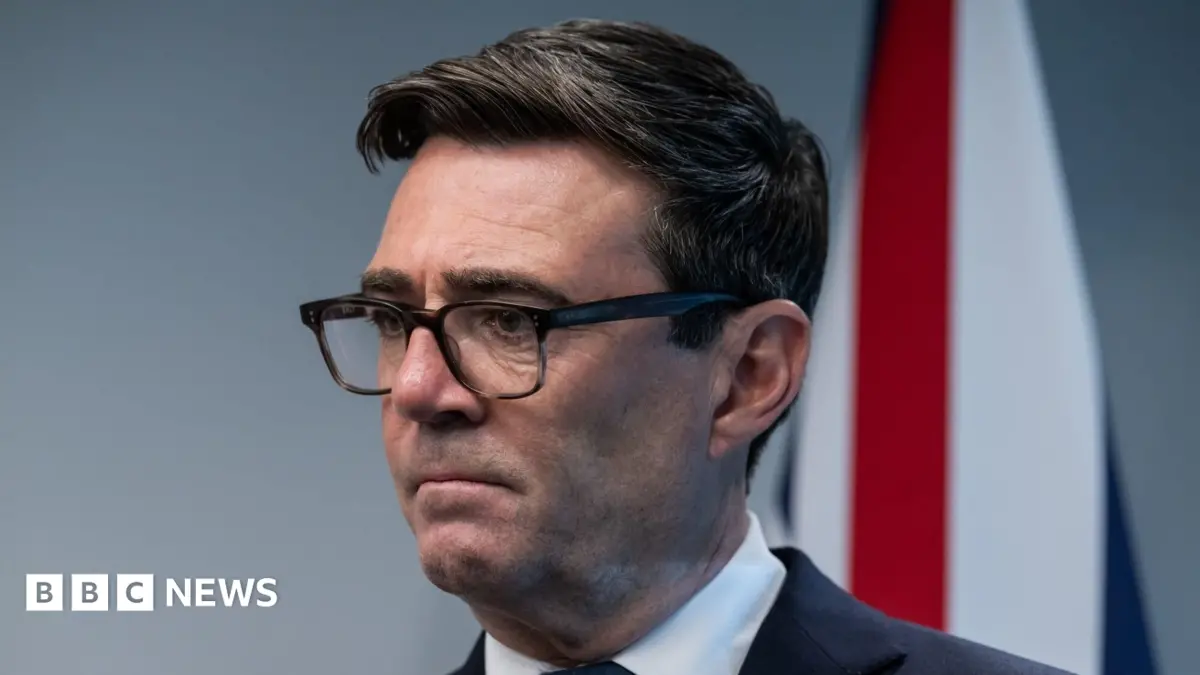
The resignations compound pressure on the Prime Minister, particularly after disappointing election results in May. Speculation is rife that Greater Manchester Mayor Andy Burnham could challenge the leadership if he wins the upcoming Makerfield by-election.
The Delayed Defence Investment Plan
The Prime Minister must now decide whether to revise the long-delayed DIP, originally due last autumn, or proceed with its publication before next month's NATO summit. Dan Jarvis, the security minister and a former British Army officer, has been appointed to succeed Healey and oversee the DIP's delivery. The plan is intended to detail the funding for new equipment and infrastructure over the next decade, in line with the Strategic Defence Review's call for the UK to move to "war-fighting readiness."
Reports suggest the Prime Minister is seeking to trim capital budgets across government departments by 1% to raise £6 billion for defence, a measure that has reportedly caused internal friction and delayed the DIP's finalisation.
Former Security Minister Tom Tugendhat described Healey's resignation letter as "about as damning as it gets," stressing the urgency of the situation. Reform UK's deputy leader Richard Tice criticised the government's priorities, stating it had opted to "fund benefits not bullets and welfare not warfare."