UK Government Signals British Steel Owner Jingye May Receive Limited Nationalisation Payout
The UK government has signalled a potential refusal or limitation on compensation payments to Jingye Group, the Chinese firm that owns British Steel. This development follows Jingye's move to seek reparation costs under a bilateral investment treaty (BIT) after the government announced the nationalisation of the steel company last month.
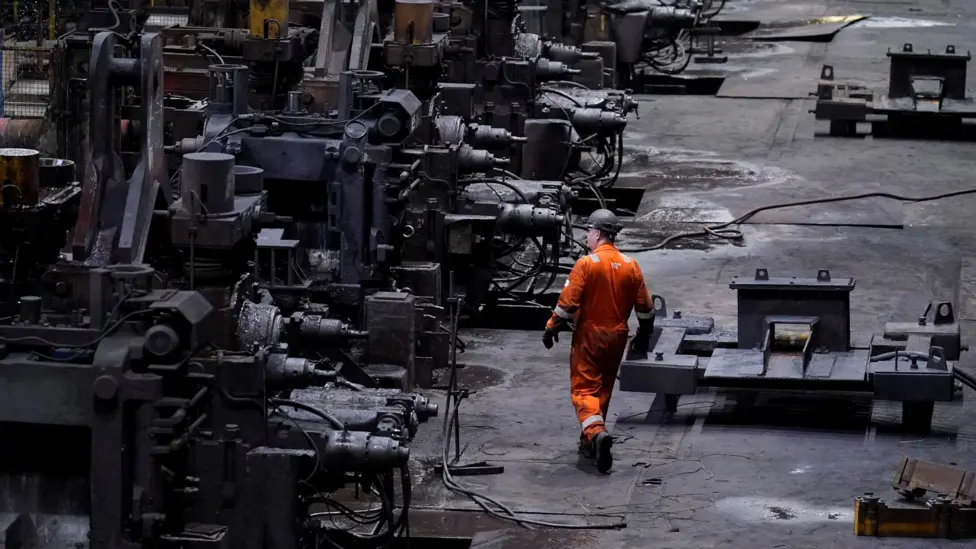
Jingye Group, which acquired British Steel in 2020 and employs 2,700 staff, has previously claimed the Scunthorpe plant was incurring daily losses of £700,000. The government intervened and assumed control of the business on 12 April 2025 to prevent the closure of its two remaining blast furnaces.
The Department for Business and Trade (DBT) confirmed that any potential payout would be determined by an independent valuer and would only be disbursed "if any, is payable." A BIT is an international agreement designed to protect investors across signatory nations.
Reuters reported Jingye's statement on its WeChat account: "Jingye has recently initiated consultation procedures under the bilateral investment treaty with the UK government." The company expressed an expectation that the UK government would safeguard the "legitimate rights and interests" of Jingye, other Chinese companies, and global investors.
The DBT reiterated on Friday that it would "comply with our international obligations." A spokesperson stated, "Revitalising our steel sector is a top priority for this country, and the Steel Industry Bill is the first step to securing our steelmaking capability... an independent valuer will be appointed to determine what compensation, if any, is payable."
The Steel Industry Bill, which facilitates the nationalisation, has progressed through the House of Commons and is now due before the House of Lords. Prior to the government's intervention, discussions between Jingye and the DBT regarding a transition to electric arc furnaces collapsed, with accusations that the Chinese firm intended to shut down the existing furnaces. Attempts by the government to negotiate a commercial sale with Jingye also reportedly failed.
A report from the National Audit Office recently highlighted that British Steel is currently costing the government approximately £1.3 million daily. Despite securing significant contracts, including a railway project in Turkey and a £500 million deal for Network Rail tracks, analysts remain sceptical these will guarantee the company's long-term viability.