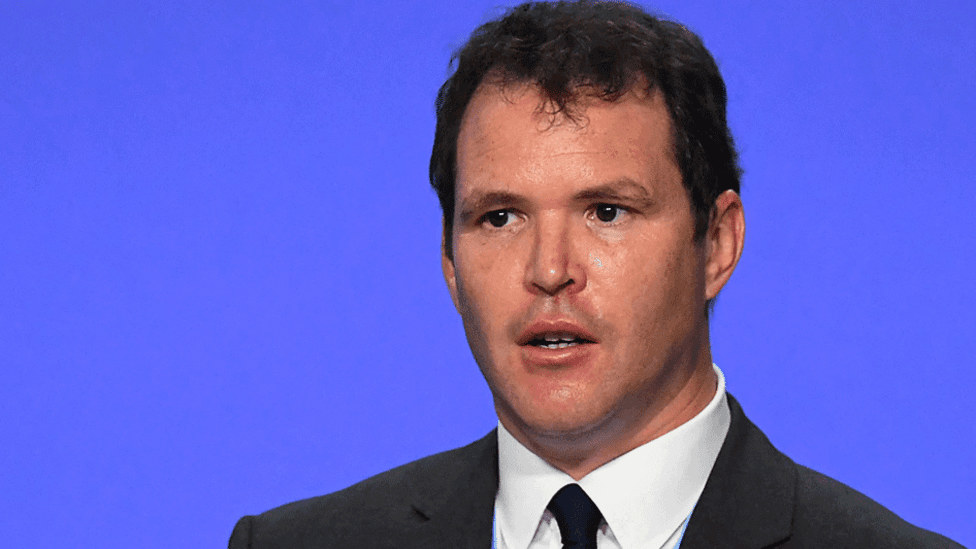
Former Minister Warns Welsh Labour Faces Existential Crisis After Senedd Election Collapse
Lee Waters, previously a transport minister in the Welsh government, has asserted that Welsh Labour is in an "existential crisis" after its worst performance in a Senedd election since the body's inception in 1999. The party, which had previously won every Cardiff Bay election, secured only nine seats, placing third behind Plaid Cymru with 43 seats and Reform with 34.
Waters described the experience of watching the party's decline as a "painful and frustrating slow-motion car crash," noting that Labour was "saved from wipe out" by a narrow margin. He emphasised that there was "no single reason why Labour collapsed," but insisted that a thorough examination of the extent of the defeat was crucial. "This is an existential crisis and I think Labour now needs to go back to first principles and rethink what it is for," Waters stated.
A Welsh Labour spokesperson acknowledged the results were "catastrophic" and stated the party needed to "take the time to determine what went wrong." The spokesperson added that voters raised significant concerns regarding "NHS access, roads, local services, cost of living and trust in politics," indicating a perception that the party was not addressing these everyday issues effectively.
Waters, who oversaw the implementation of the controversial 20mph speed limit in built-up areas, conceded that such policies "took up a lot of political capital and caused a lot of difficulty." He admitted, "We took a hit for that, I'm not denying that. It's achieved great things, but it's come at a price."
Plaid Cymru, now the leading party, faces its own challenges in transitioning from opposition to governance, particularly with First Minister Rhun ap Iorwerth's pledge to implement a "roads-based solution" for M4 congestion, a plan previously shelved by the Labour administration. Waters cautioned that delivering such promises would be neither "easy" nor "cheap."