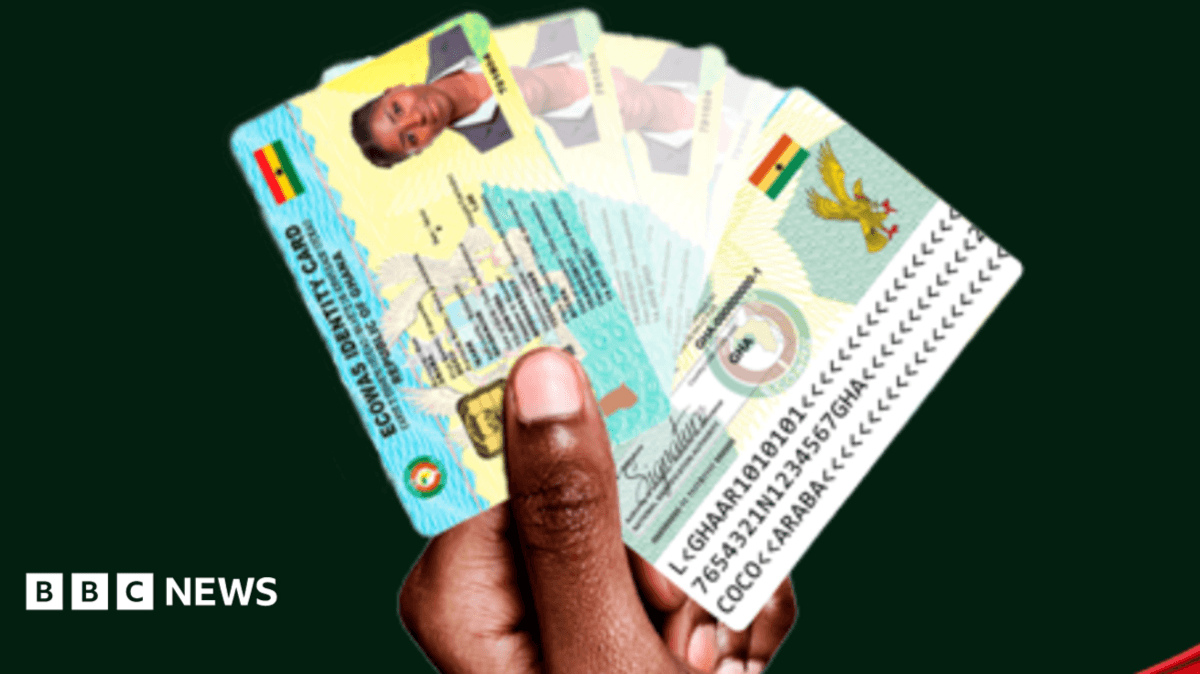
Ghana Mandates Electronic National ID Verification to Combat Widespread Fraud
Ghanaian authorities have introduced stringent new measures to combat widespread identity fraud, making electronic verification of the Ghana Card compulsory for all transactions requiring identity confirmation. The new directive explicitly prohibits the use of physical photocopies, which have historically been susceptible to forgery and misuse.
The move comes after years of public and private sector entities grappling with the proliferation of falsified identification documents. The previous reliance on photocopies created significant vulnerabilities, allowing individuals to assume false identities, engage in fraudulent financial activities, and circumvent various regulatory checks.
Under the updated regulations, organisations across both public and private sectors are now legally obliged to integrate with the National Identification Authority's (NIA) verification system. This system enables real-time, digital authentication of a person's identity against the central database, significantly enhancing security and data integrity. Proponents of the new system argue it will not only curb identity theft but also streamline administrative processes and foster greater trust in transactions.
Critics, however, question the readiness of all sectors to implement these changes, particularly smaller businesses and those in remote areas with limited access to reliable internet or the necessary technological infrastructure. The transition presents a considerable logistical challenge, with concerns about potential disruptions to services and the exclusion of individuals unable to navigate the new digital requirements.