Government Extends Shop Closure Powers to 12 Months for Illicit High Street Businesses
Illegal mini-marts, barbers, and vape shops operating in England and Wales could face closure for up to 12 months under new government powers. This legislative change doubles the current maximum closure period of six months, accessible via anti-social behaviour legislation.
Home Secretary Shabana Mahmood announced the planned extension, asserting that the government would not tolerate the perceived takeover of high streets by organised crime and immigration criminality. Mahmood commented that such activity erodes public trust in local areas and democracy itself.
Combating Organised Criminality
The Home Office indicates that these extended closure orders will provide investigators with more time to gather evidence, pursue prosecutions, and identify illicit business owners. This measure is also designed to prevent rogue operators from simply reopening and resuming illegal activities after a shorter closure period.
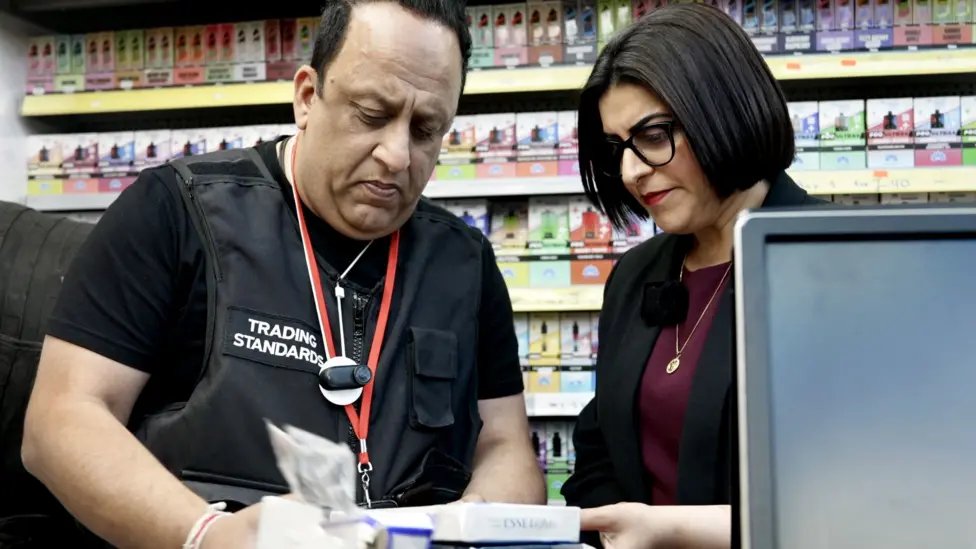
Trading Standards officers have largely welcomed the new powers, with John Herriman, chief executive of the Chartered Trading Standards Institute (CTSI), stating that closure orders are a vital enforcement tool. He added that there is "almost universal support" for the proposed measures from his profession, anticipating that longer closures will make illicit operations less financially viable and compel landlords to exercise greater scrutiny over their tenants.
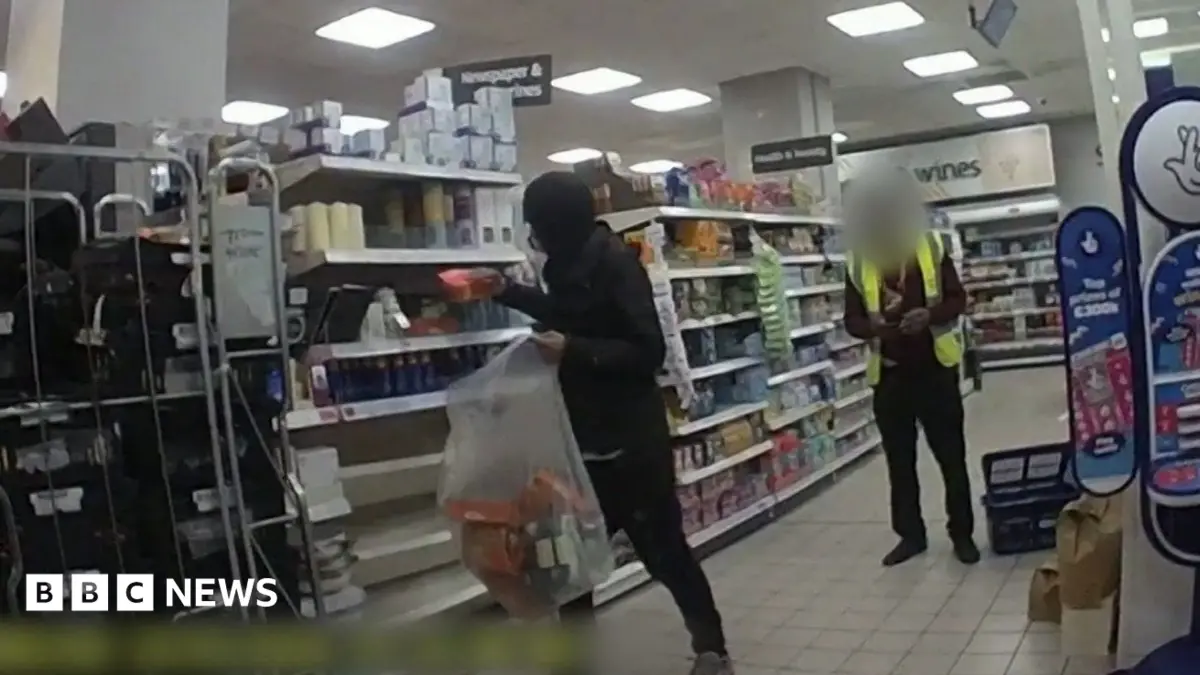
Evidence of widespread criminality, including the sale of illegal cigarettes, vapes, and drugs, alongside instances of child sexual exploitation and money laundering, has highlighted the scale of the challenge on high streets. In one instance on Soho Road, Birmingham, officers discovered illegal tobacco products and a makeshift weapon during a police raid. A shopworker, claiming to be an Afghan student, was arrested, admitting awareness of the illicit sales. Police described the area as among the worst they had encountered, citing open dealing of prescription drugs, cocaine, heroin, and cannabis, alongside an increase in prostitution and exploitation.
The government previously announced a new £30 million High Street organised crime unit and an investigation led by the National Crime Agency (NCA), Immigration Enforcement, and HMRC. The Home Office expects the extended closure orders to become law by the end of this year, with implementation in early 2027.