Growing Concerns Over Topical Steroid Withdrawal
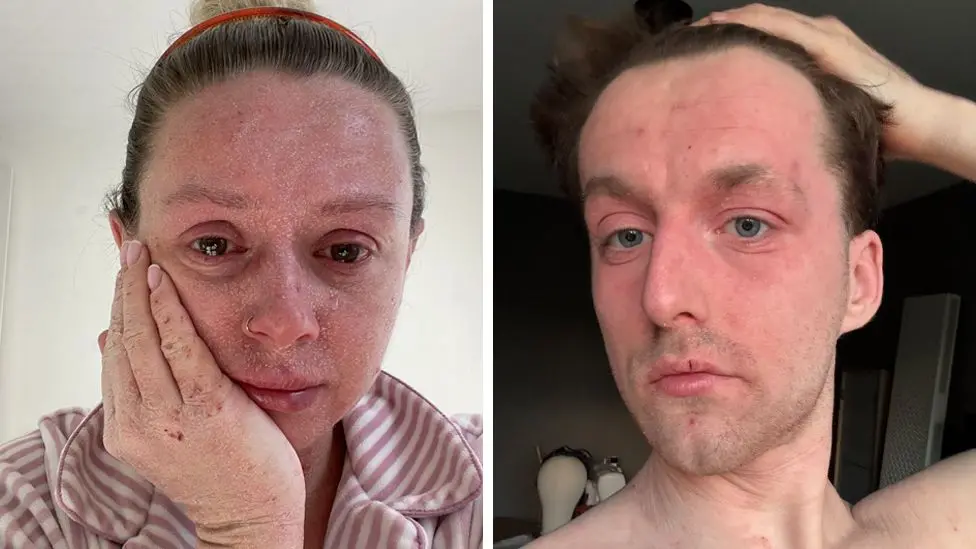
Concerns are mounting across the UK regarding Topical Steroid Withdrawal (TSW), a severe skin condition reported by an increasing number of individuals who have used steroid creams for eczema and other dermatological issues. While topical steroids are a frontline treatment for millions, a subset of patients is experiencing profound and often unrecognised adverse reactions.
The Patient Experience
Patients like Bethany Gamble, 21, from Birmingham, describe a dramatic escalation of symptoms beyond typical eczema. She recounts her skin becoming intensely hot, inflamed, red, and prone to cracking and oozing, accompanied by a 'bone-deep' itch that consumed her life. Similar accounts from Henry Jones, 22, and Karishma Leckraz, 32, highlight the severe physical and psychological toll, leading to social isolation and significant impact on daily life. These experiences, often initially dismissed by healthcare professionals as severe eczema, have led many to seek support and information through online communities using the #TSW hashtag, which has garnered over a billion views on TikTok.
Research and Recognition Efforts
The Medicines and Healthcare products Regulatory Agency (MHRA) officially recognised TSW as a severe reaction to topical steroid creams in 2021. This recognition underscores the need for greater understanding and research into the condition. Professor Sara Brown, a consultant dermatologist at the University of Edinburgh, has secured funding from the National Eczema Society to conduct the first UK-based study into TSW. Her research aims to identify distinct patterns in TSW, such as 'elephant skin' and extreme shedding, that differentiate it from conventional eczema flares. Dr Alice Burleigh from Scratch That, a TSW patient group, is co-leading this vital investigation, collecting data through symptom analysis, saliva samples, and skin biopsies from hundreds of participants.
Challenges and Future Outlook
Despite growing awareness, significant challenges persist. Long waiting lists for dermatology appointments mean patients often face delays in specialist care, with steroid creams frequently being the only immediate option. The Royal College of GPs maintains that steroid creams are safe and effective for many, but acknowledges that rare cases of reactions linked to long-term or inappropriate use can occur. The National Eczema Society highlights the dilemma faced by patients, stressing the urgent need for further research to provide clarity and effective treatment pathways. Specialised clinics, such as the one at the Royal London Hospital led by Dr Alia Ahmed, are offering comprehensive support, including psychological care and alternative therapies, to address the profound impact of chronic skin conditions. The ongoing research and increasing patient advocacy offer a hopeful path towards better diagnosis, understanding, and treatment for those affected by TSW.