Vaccinated Child Battles Rare Meningitis B Case, Prompting Calls for Broader Immunisation
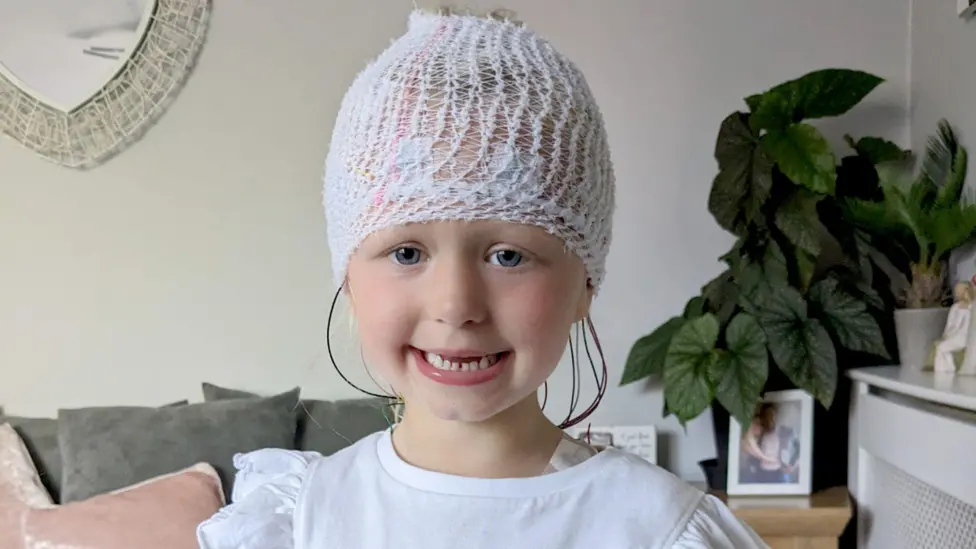
A four-year-old girl from Blackwood, Caerphilly county, spent two weeks in intensive care battling meningococcal type B meningitis (MenB) in a case described by charity Meningitis Now as "extremely unfortunate" and "very, very rare". Noa-Rose Alderman, now seven, had received all three doses of the MenB vaccine, underscoring that while vaccination significantly reduces severity, it does not guarantee complete immunity.
The Onset and Diagnosis
Noa-Rose's parents, Emma and Scott Alderman, recounted how her condition rapidly deteriorated after initially presenting with leg pain, which was mistaken for growing pains. Her temperature soared to 40°C, a rash spread across her body, and she began vomiting, eventually becoming unresponsive. Despite initial misdiagnoses of scarlet fever or Strep A, a lumbar puncture confirmed MenB.
Emma Alderman firmly believes that had Noa-Rose not been vaccinated, the outcome would have been fatal. "I can say with confidence that if Noa-Rose didn't have the vaccines we wouldn't have her with us now," she stated.
Lingering Impact and Calls for Action
Noa-Rose is among the one in five survivors left with life-altering conditions, including epilepsy, fatigue, and developmental delay. Her mother describes a profound shift: "You've gone from being a parent to a carer overnight with all these worries and all these concerns."
MenB accounts for over 80% of meningococcal cases in the UK, with babies being at highest risk. The NHS offers the MenB vaccine to infants at eight weeks, 12 weeks, and one year. However, teenagers also represent a smaller peak in cases due to their higher likelihood of carrying the bacteria.
In light of Noa-Rose's case and recent outbreaks, such as those in Kent, Emma Alderman, now an ambassador for Meningitis Now, is advocating for the MenB vaccine to be extended to teenagers across the UK. Meningitis Now's 'No Plan B for MenB' campaign aims to introduce an adolescent booster by 2030 and make the vaccine more accessible.
The UK and Welsh governments have indicated they are awaiting fresh advice from the Joint Committee on Vaccination and Immunisation regarding the Kent outbreak. Political parties in Wales have echoed calls for a review of vaccine access for older teenagers and university students, emphasising the need for swift action based on scientific evidence.