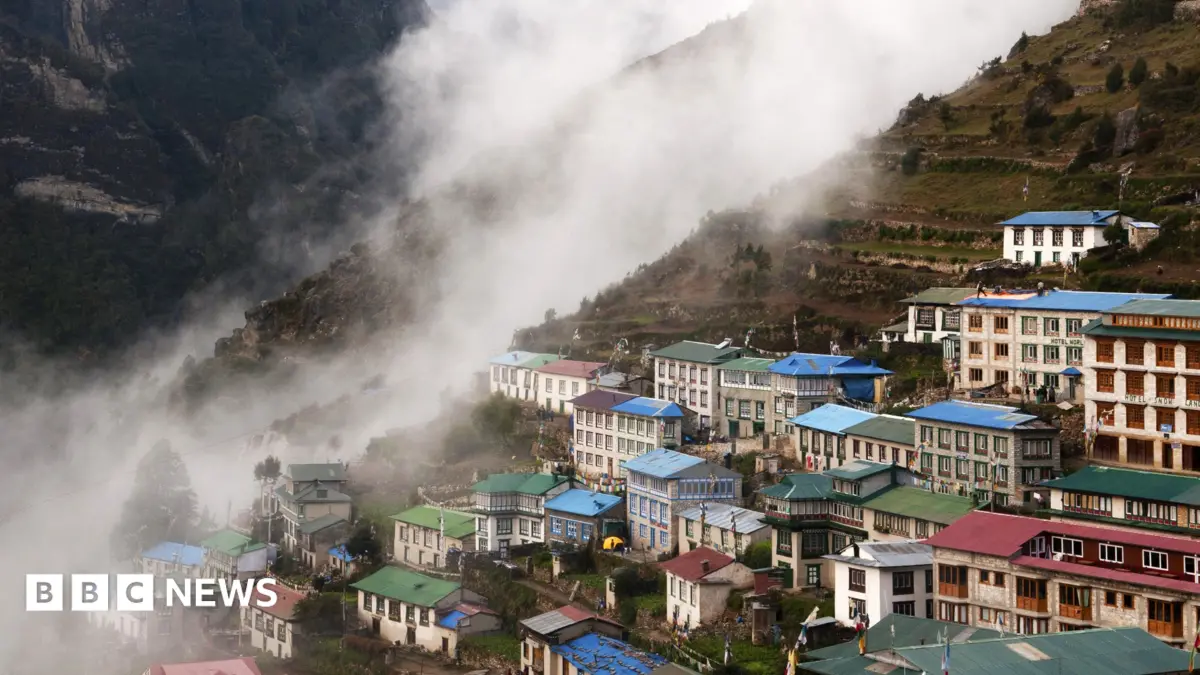
Himalayan Building Boom Places 300,000 Residents in Disaster Zones Across Nepal and Uttarakhand
A recent surge in construction across Nepal and India’s Uttarakhand region has situated 300,000 people within high-risk disaster zones. New tourism infrastructure, residential buildings, and other developments are concentrated in areas scientifically identified as vulnerable to landslides, flash floods, and seismic activity.
Geological surveys and hazard mapping reveal that a substantial portion of these new constructions lie directly in the path of anticipated natural calamities. Experts attribute this heightened exposure to insufficient adherence to building codes and a lack of comprehensive urban planning, exacerbating the inherent geological instability of the Himalayan foothills.
Local authorities face increasing scrutiny regarding the approval of these projects. Critics argue that the pursuit of economic growth, particularly from tourism, has overshadowed fundamental safety considerations, placing a considerable population at severe risk. The long-term implications for disaster response and community resilience in these rapidly developing regions are significant, with projections indicating a substantial increase in potential casualties and infrastructural damage from future environmental events.