Indian Electric Vehicle Market Grows 25%, Fuel Price Rises Drive Adoption
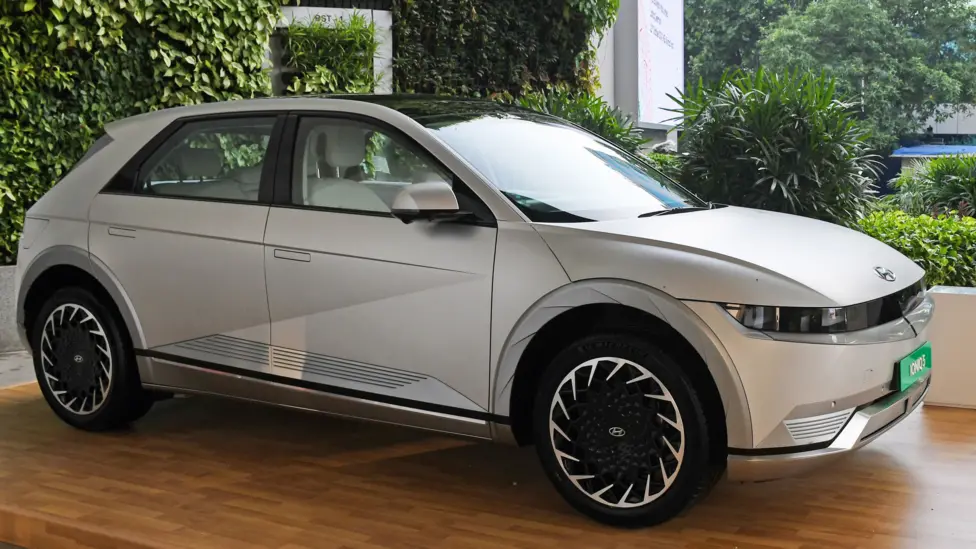
The Indian electric vehicle (EV) market has seen a significant uptake, with a 25% expansion in the year ending March 2026. Electric vehicles now constitute over 5% of the passenger vehicle market, a figure often considered a benchmark for mass adoption.
Rising Fuel Costs and Regulation Drive Demand
This acceleration is particularly pronounced in vehicles priced above INR#1 million, where one in ten sales are now electric. Electric three-wheelers and motorbikes also represent substantial market shares, at over 30% and 15% respectively.
Interest in EVs has surged in recent months, largely influenced by rising fuel costs. India, which imports nearly 90% of its oil, has seen state-run retailers increase pump prices following a 50% jump in crude prices, a consequence of ongoing geopolitical instability. This economic pressure strengthens the case for EVs, according to analysts at Nomura.
Beyond immediate market conditions, forthcoming regulatory changes are poised to further catalyse EV adoption. The CAFE-3 norms, scheduled for implementation from April next year until March 2032, aim to significantly tighten carbon emission standards for vehicles, reducing them from 113g/km to 76g/km. Unlike previous iterations, these regulations are expected to enforce penalties for non-compliance, pushing manufacturers towards electric offerings.
Individual urban centres, such as Delhi, are also introducing ambitious policies. Draft proposals aim to phase out conventional internal combustion engines and halt new registrations for two and three-wheelers by 2027, marking a concerted effort to address air pollution.
Infrastructure and Supply Chain Challenges Persist
Despite these encouraging signs, India’s EV adoption lags behind major global economies. China’s EV passenger car market, for instance, surged from 5.7% in 2020 to 53.3% last year, while the EU and the US stand at 20% and 8% respectively.
A primary hurdle remains the charging infrastructure. While public charging stations have increased from 2,000 to over 10,000 in the past three years, their distribution is uneven, with just four states accounting for over half of the national total. This disparity is stark when compared to China, which boasts 20 million public charging points.
“Range anxiety”—concerns over battery charge duration—is a significant deterrent for prospective buyers, as highlighted by Nomura. Furthermore, India’s reliance on global supply chains for critical rare earths, essential for battery production, presents another substantial challenge. China’s dominant control over lithium, cobalt, and rare earth refining, at 70-80% and nearly 90% respectively, underscores geopolitical risks that could impede India’s EV rollout and affect cost competitiveness.
Analysts from KPMG note that building an integrated domestic supply chain for EV components could take over a decade, necessitating both short-term measures for supply security and long-term investment in domestic capabilities. The timely finalisation and implementation of CAFE-3 regulations are considered crucial for fostering greater certainty and driving investment in the sector.