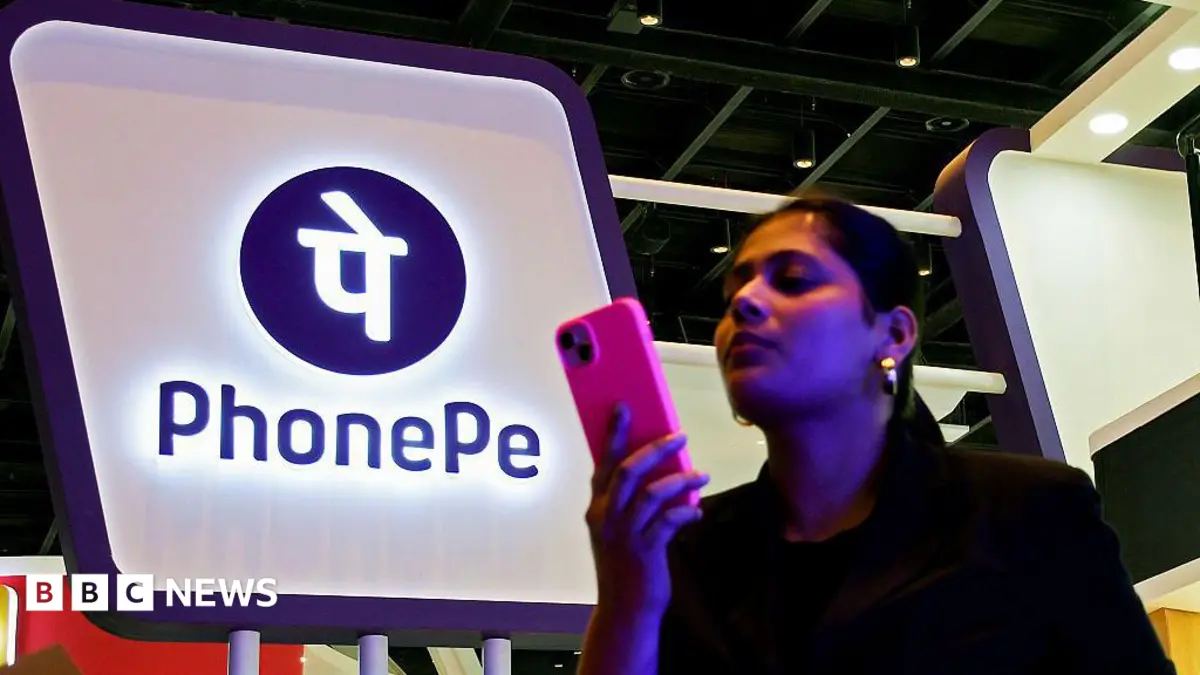
India's UPI Digital Payments System Considers Merchant Transaction Fees
India's Unified Payments Interface (UPI), a state-backed digital payment system, may soon implement interchange fees on certain merchant transactions. The National Payments Corporation of India (NPCI), which operates UPI, has issued a circular proposing a 1.1% interchange fee for transactions over £2000 when made to merchants via prepaid payment instruments (PPIs) like digital wallets. This fee would apply from 1 April 2023.
The proposed charge aims to provide revenue for payment service providers involved in processing these transactions. Currently, UPI transactions are free for both users and merchants, a factor widely credited for its rapid adoption and success in digitising India's economy. The system processed over 8.7 billion transactions in February alone, valued at more than £136 billion.
Critics argue that introducing such fees could burden small businesses and potentially deter consumers who have grown accustomed to zero-cost digital payments. While the NPCI has clarified that direct bank account-to-bank account UPI transfers will remain free, the distinction between these and PPI-based transactions may confuse users. Businesses currently absorb charges from card-based payments, and a similar imposition on UPI could impact their operational costs.
The move represents a shift from the original vision of a completely free digital public utility. The government previously stated it had no plans to impose charges on UPI. The long-term implications for UPI's unparalleled growth and India's broader digital economy remain to be seen as stakeholders consider the balance between system sustainability and continued user adoption.