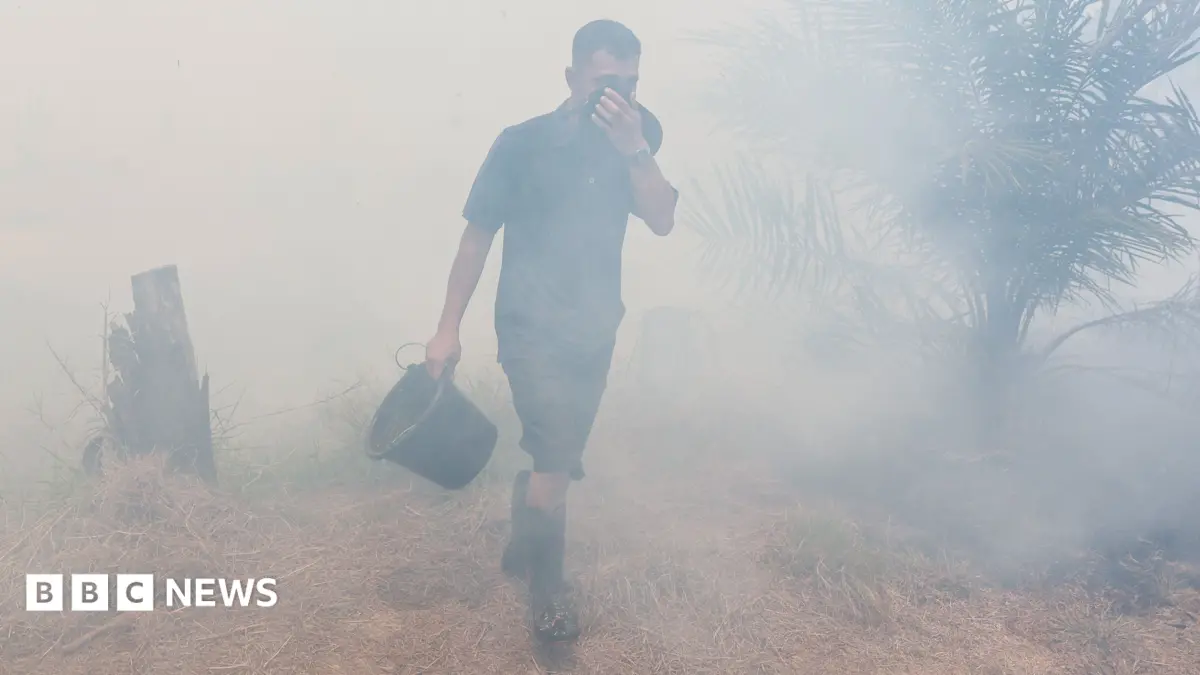
Indonesia Reports 175,000 Respiratory Illness Cases From Sumatra Wildfire Haze
Over 175,000 people across Indonesia have reported respiratory illnesses since August, directly attributed to the severe smog from extensive wildfires on the island of Sumatra. This public health crisis underscores the recurring environmental challenges faced by the region.
The annual dry season frequently brings about these fires, often linked to illegal land clearing for agricultural expansion, particularly palm oil plantations. The resulting haze blankets vast areas, degrading air quality to hazardous levels and compelling authorities to issue health warnings and distribute masks.
Healthcare facilities are reporting increased admissions for acute respiratory infections, bronchitis, and asthma, particularly among vulnerable populations such as children and the elderly. The long-term health implications of prolonged exposure to such pollutants remain a significant concern for public health officials.
While Indonesian authorities have initiated efforts to combat the fires and enforce environmental regulations, the recurring nature of the problem suggests systemic issues persist, demanding more robust and sustained interventions to prevent further civilian harm and environmental degradation.