Inverclyde Council Seeks Migrant Influx for Greenock Population Reversal
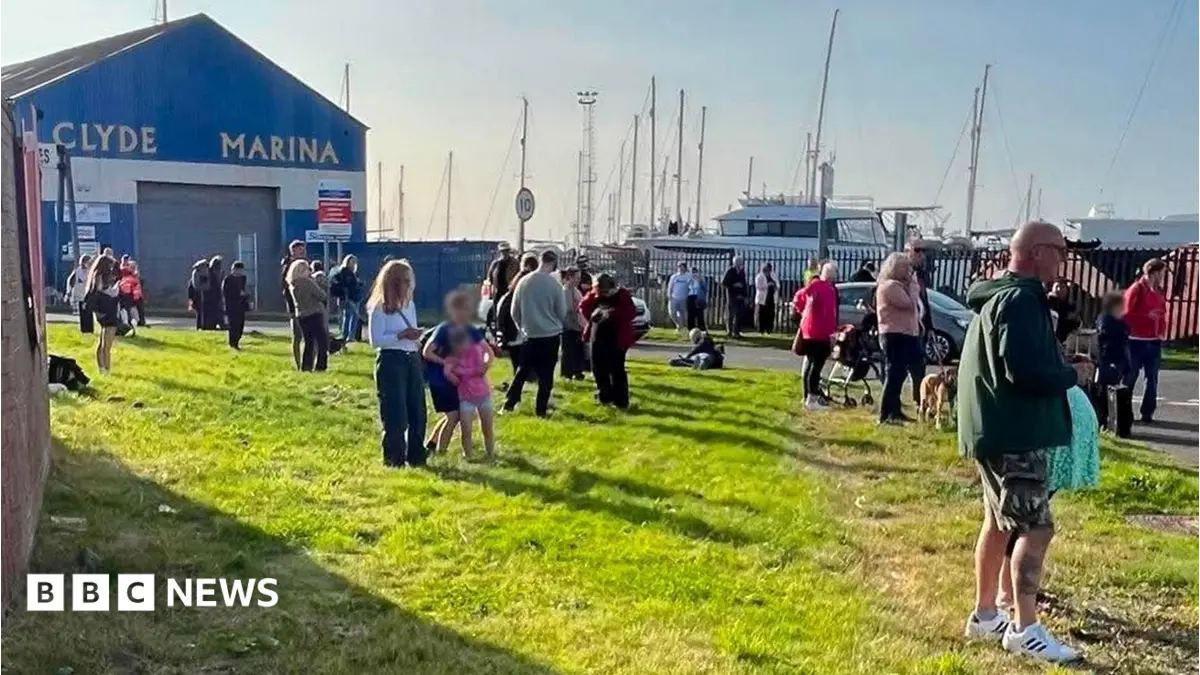
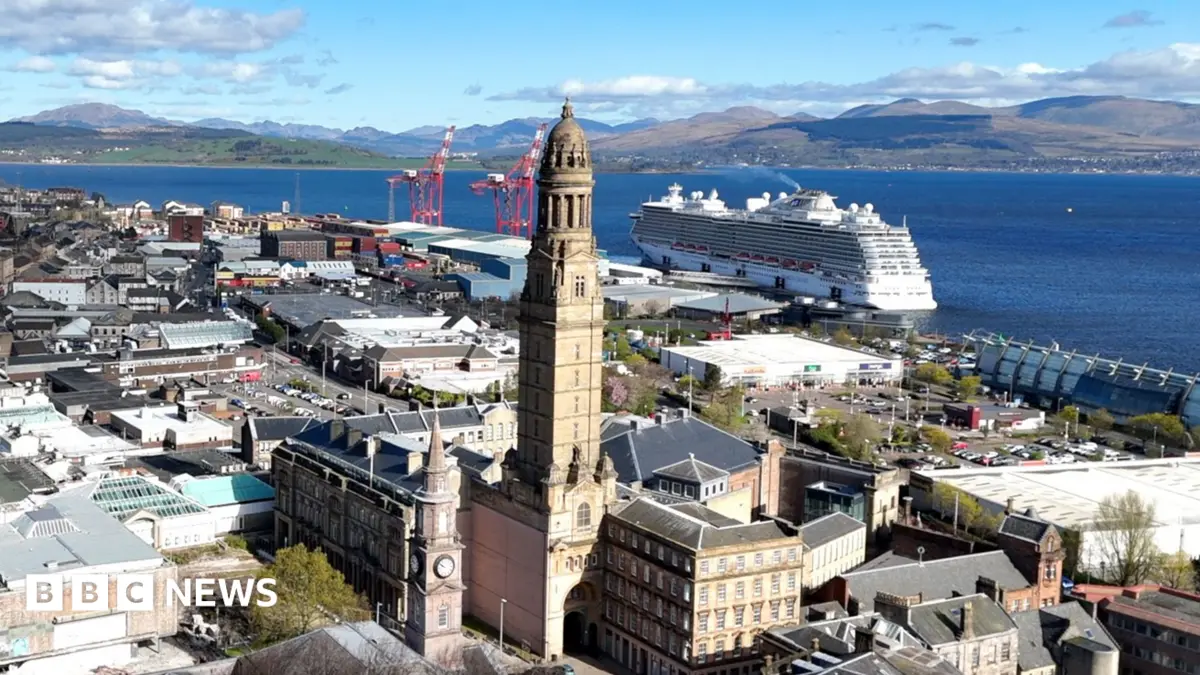
Inverclyde Council is actively pursuing a policy to encourage significant numbers of immigrants to settle in Greenock, articulating a direct link between population growth and the town's economic vitality. The council's strategy aims to reverse a consistent decline in residents that has seen the population of Inverclyde fall from 107,000 in 1961 to approximately 77,000 today. Projections indicate a further reduction to 62,000 by 2038 without intervention.
The initiative includes establishing a dedicated team to facilitate migrant integration, focusing on housing allocation, employment opportunities, and access to local services. Council leader Stephen McCabe emphasised the critical need for population growth to sustain public services and local businesses, stating that the economic future of Inverclyde is inextricably linked to attracting new residents.
Greenock has historically experienced outward migration due to economic shifts, particularly the decline of shipbuilding and manufacturing industries. The new strategy is a direct response to this demographic challenge, seeking to leverage immigration as a catalyst for regeneration. Local organisations, including community groups and businesses, are being mobilised to support the influx, providing language assistance and cultural integration programmes.
This proactive approach by Inverclyde Council contrasts with broader UK rhetoric on immigration, prioritising local economic and demographic needs over national policy constraints. The council maintains that a growing population will underpin a stronger tax base and more vibrant communities, securing Greenock's long-term viability.