Japan Defence Minister Shinjiro Koizumi Denies Militarism Accusation, Criticises China's Arsenal
Japan's Defence Minister, Shinjiro Koizumi, has vehemently denied accusations from Beijing that his country is engaging in 'new militarism', instead redirecting criticism towards China's expanding military capabilities and opaque defence policies. Speaking at the close of a defence summit in Singapore, Koizumi asserted that China's 'huge arsenal' of weapons poses a 'serious concern' to the international community.
These remarks represent some of Tokyo's most pointed retorts to China's persistent critiques of Japan's military build-up under Prime Minister Sanae Takaichi. The historical animosity between the two nations, rooted in Japan's Second World War invasion of China, continues to colour their relationship.
Last week, China's national defence ministry spokesperson Jiang Bin warned that 'the grey rhino of a remilitarised Japan is gathering speed', urging international action to 'contain Japan's neo-militarism'.
Japan has consistently increased its defence budget for twelve consecutive years, with the latest allocation approved in December exceeding JPY#9 trillion (£42 billion). This move advances Japan towards its objective of dedicating 2% of its GDP to military spending. While the Japanese government maintains its focus is solely on bolstering defence, not pursuing war, Koizumi stated that updating national defences is 'only natural' for any country, including Japan, to meet new challenges and contribute to regional stability.
Koizumi sought to reassure Asian officials, including those from nations invaded by Japan during the war, by pledging 'a high degree of transparency' and ongoing dialogue regarding Japan's defence development. He specifically refuted the 'new militarism' label, contrasting Japan's lack of nuclear weapons and strategic bombers with another country's (referring to China) 'huge arsenal' of such capabilities.
When pressed by a Chinese military representative on wartime apologies, Koizumi avoided the question, reiterating his concerns about China's sustained, untransparent increase in defence spending and military expansion, deeming these 'matters of serious concern for Japan and the international community'. He maintained that Japan's 'door is always open' for communication.
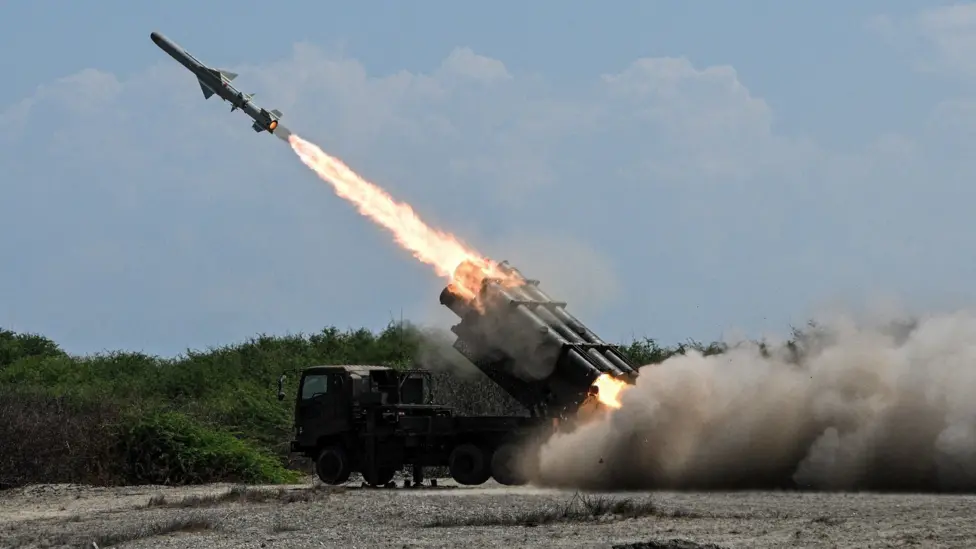
Prime Minister Takaichi, since taking office in October 2025, has championed significant defence enhancements. Beyond increased budgetary allocations for new surface-to-ship missiles and unmanned drones, Japan has relaxed rules on lethal weapon exports to fortify its defence industrial base. The country is also revising key security documents and Takaichi has advocated for amending Article 9 of Japan's pacifist constitution.
These developments have intensified Sino-Japanese tensions, particularly following Takaichi's suggestion in November that Japan's self-defence forces could respond to a Chinese attack on Taiwan. Domestically, these shifts have provoked significant debate, with some supporting increased defence against perceived threats like China, while others fear escalating tensions and a departure from Japan's post-war pacifist identity. Anti-war protests, some of the largest in decades, have occurred across Japan in recent months.