Lebanon Ceasefire Takes Israel by Surprise Amidst Public Scepticism
News of a ceasefire in Lebanon prompted immediate rocket fire into northern Israel, with air defence systems intercepting projectiles over Nahariya. Ambulance crews reported at least three individuals wounded by shrapnel just hours before the truce took effect, including two seriously.
Across Israel, there is considerable public and political scepticism regarding Prime Minister Benjamin Netanyahu's decision to agree to the ceasefire. Many citizens in northern communities feel betrayed, having been promised a decisive end to the conflict.
Government Caught Off Guard
The ceasefire announcement reportedly took Israel by surprise, even within the government's security cabinet. A respected Israeli news outlet reported that Prime Minister Netanyahu convened a security cabinet meeting with only five minutes' notice before the announcement, and ministers were not given a vote on the terms.
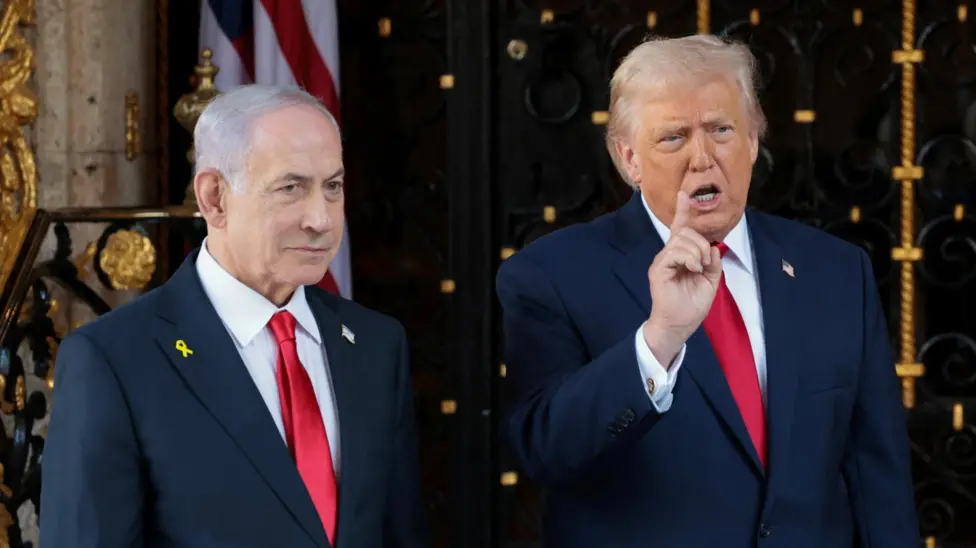
Critics view this as another instance of Netanyahu acceding to US President Donald Trump's demands to halt fighting, even when the terms or timing do not align with Israel's strategic objectives. Former IDF Chief of Staff Gadi Eisenkot remarked, "A pattern has developed in which ceasefires are imposed upon us – in Gaza, in Iran, and now in Lebanon. Netanyahu does not know how to convert military achievements into diplomatic gains."
Despite framing the ceasefire as an "opportunity to make a historic peace agreement with Lebanon," Netanyahu asserted that he made few concessions on the ground. He stated that Hezbollah's conditions for withdrawal and 'quiet for quiet' were not met, emphasising, "We are remaining in Lebanon in a thickened security zone […] We are there, and we are not leaving."
This development follows US negotiations with Iran, which had demanded an end to Israeli operations against Hezbollah in Lebanon. Trump, who initially described the Lebanon campaign as a "separate skirmish," later indicated his desire to create "a little breathing room" as the truce with Iran approached its conclusion.
Recent polls indicated strong Israeli public support for continued strikes on Hezbollah, with almost 80% in favour. Similarly, a majority of Israelis reportedly opposed the two-week ceasefire Trump agreed with Iran earlier this month.
The agreed truce explicitly states that Israel "preserves its right to take all necessary measures in self-defence, at any time, against planned, imminent or ongoing attacks." However, many Israelis perceive this truce as further evidence that their leadership is under pressure to align with Washington's interests, and that the war goals of their key US ally do not always converge with their own.