Liberal Democrats Propose Energy Price Discounts for All UK Households
The Liberal Democrats have unveiled a new energy policy designed to provide all UK households with a basic allowance of discounted energy. Under their "Essential Energy Guarantee" scheme, every household would receive a discounted "Essential Energy Allowance" to cover basic needs. Families with more children would receive an additional allowance.
Households identified as needing further assistance, such as those on the lowest incomes, or requiring energy for essential medical equipment like electric wheelchairs or home ventilators, would receive a discount on all their energy consumption.
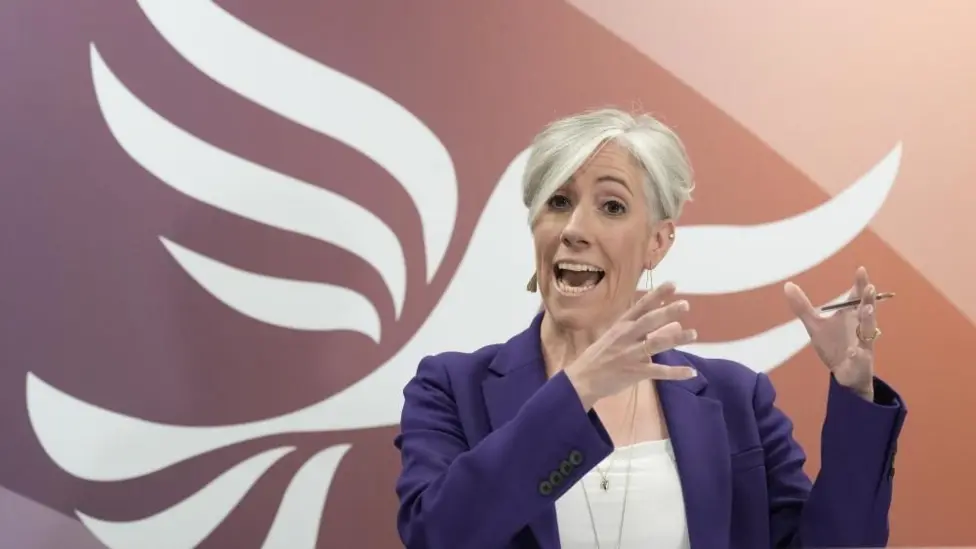
Daisy Cooper, Deputy Leader of the Liberal Democrats, stated that the policy aims to address the "national scandal where millions can't afford the most basic energy they need." The party estimates the plan would lead to an average annual saving of £100 for all households, with the poorest 20% of families potentially saving an average of £140 per year.
Funding for the scheme would come from directing the energy regulator Ofgem to "claw back" an estimated £5bn in what the Liberal Democrats claim are excess profits accumulated by energy network firms by 2028. Cooper argued that these private companies, which own the infrastructure supplying domestic users, "operate as total monopolies" and should be compelled to return profits not directly linked to their investments.
The Liberal Democrats also advocate for free home insulation and heat pump installations for low-income families, the removal of green levies from household energy bills in favour of a targeted windfall tax on banks, and decoupling electricity and gas prices through increased investment in renewable energy generation. The party suggests these combined measures could reduce average annual bills by £900 by 2035.
This proposal comes as wholesale oil and gas prices have risen, partly influenced by ongoing conflict in the Middle East. The energy price cap, which sets maximum charges for customers on standard variable tariffs, is set to increase from 1 July. The government previously removed green levies from bills in April, saving households an average of £150 annually by shifting the cost to general taxation. Chancellor Rachel Reeves indicated in April that any further government assistance later in the year would be targeted at those most in need, rather than universally applied.