Liberal Democrats Propose Universal Energy Discounts, Funded by Clawing Back Energy Firm Profits
Under the Liberal Democrat proposal, every household would receive an 'Essential Energy Allowance' charged at a discounted rate, intended to cover basic energy needs. Families with more children would be granted an additional allowance. Households with greater requirements, such as those on the lowest incomes or needing to power medical equipment, would receive discounts on all their energy consumption.
Projected Savings and Funding Mechanism
The party projects average annual savings of £100 for all households, with the poorest 20% of families saving an average of £140 per year. The plan's long-term benefits are said to include reduced costs for the National Health Service, which currently incurs an estimated £1 billion annually treating health issues related to inadequate housing warmth.
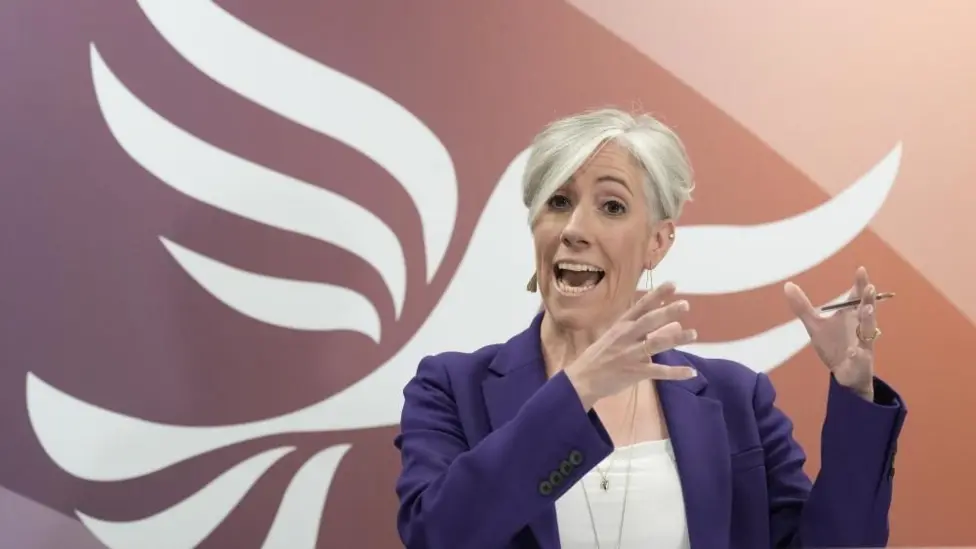
Funding for the 'Essential Energy Guarantee' is predicated on the energy regulator Ofgem being directed to 'claw back' an estimated £5 billion in projected 'windfall profits' from energy companies by 2028. Daisy Cooper, the Liberal Democrat deputy leader, asserted that domestic energy suppliers operate as 'total monopolies' and that these profits are not the result of legitimate investments.
Broader Energy Policy Proposals
Beyond the core guarantee, the Liberal Democrats advocate for free home insulation and heat pump installations for low-income families. They also propose removing green levies from household energy bills, replacing them with a targeted windfall tax on banks. Furthermore, the party aims to 'break the link' between electricity and gas prices, intending to invest more heavily in renewable energy generation. The party claims these combined measures could reduce average annual bills by £900 by 2035.
These proposals emerge as wholesale oil and gas prices have increased following the conflict in Iran, which is set to push up the energy price cap from 1 July. The government previously removed green levies from bills in April, shifting the cost to general taxation and saving households an average of £150 annually. Chancellor Rachel Reeves has indicated that any further government assistance later in the year would be targeted at those most in need, rather than universal. The Conservatives and Reform UK have both called for the removal of VAT from household energy bills, while the Green Party advocates for preventing price rises in July, funded by increased capital gains tax and a tightened energy firm profit levy.