London Transport Sees 86% of Normal Journeys Despite RMT Tube Driver Strike
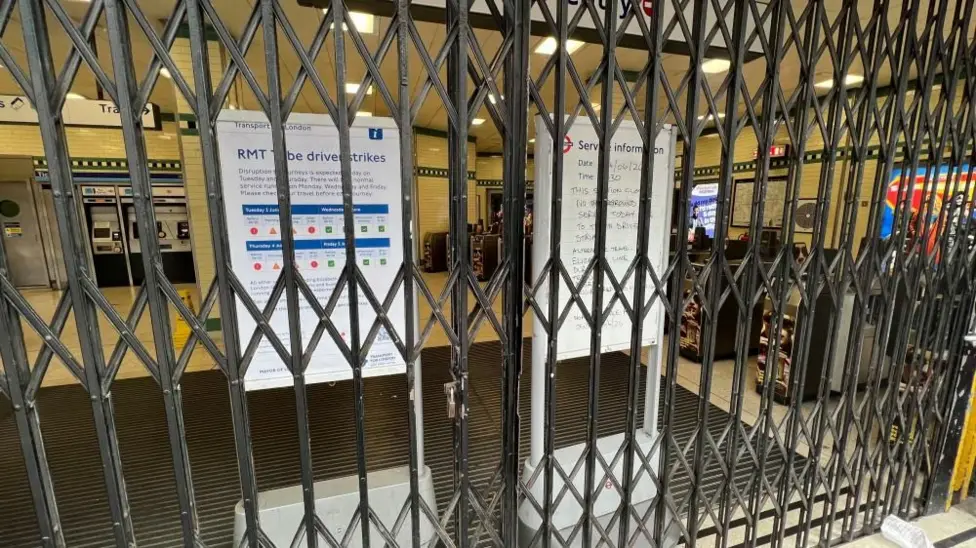
London’s public transport network registered 86% of its usual journey numbers on Thursday, according to Transport for London (TfL), during the latest strike by RMT Tube drivers. Data derived from Oyster and contactless card usage indicated varied impacts compared to the same day last year.
London Underground services experienced a 43% reduction in travel. In contrast, the London Overground saw a 12% rise, the Elizabeth line an 18% increase, and the Docklands Light Railway (DLR) recorded a 9% uplift in patronage.
The industrial action, which concludes at midnight, stems from the RMT’s opposition to management proposals for a voluntary 35-hour, four-day week for drivers. TfL advised passengers to complete their journeys by 21:00 BST.
Approximately 60% of Tube drivers reported for duty on Thursday morning, a slight increase from Tuesday’s strike. Staffing levels differed significantly across lines: the Jubilee line operated with 91% of its drivers, the Bakerloo with 80%, and the Metropolitan line with 75%.
The RMT union stated its previous strike on Tuesday received strong backing from its members. The union has confirmed it will meet London Underground management next week to pursue a resolution to the dispute. Jared Wood, the RMT’s London transport regional organiser, expressed hope for progress, emphasising the union's desire for management to lift the threat of imposed changes and engage in constructive discussions regarding new arrangements.
A TfL spokesperson apologised for the disruption, noting that most lines maintained services, with the Jubilee line largely operating a good service throughout the day. The spokesperson reiterated TfL’s position that the proposed changes are voluntary, stating that suggestions otherwise are misleading the public and undermine proposals designed to offer drivers more time off and enhance service efficiency.