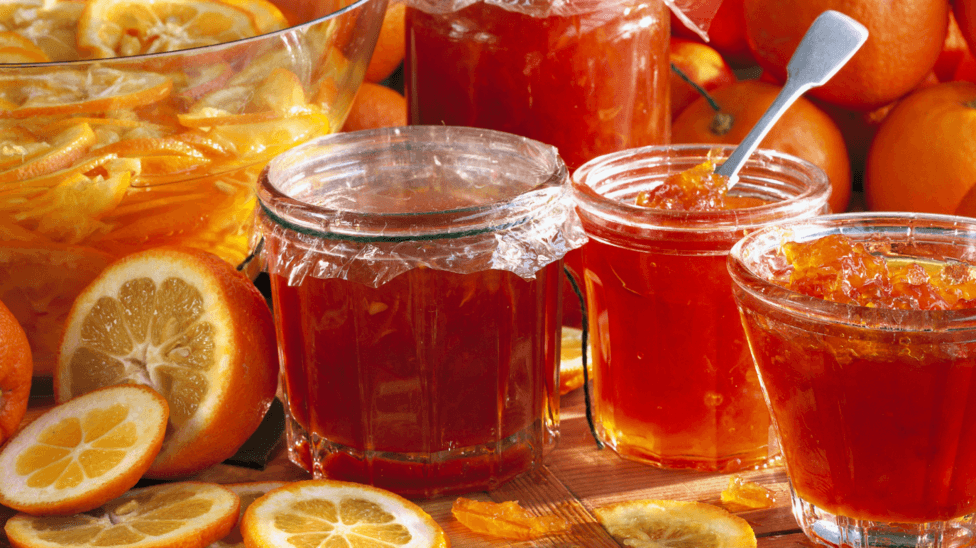
Marmalade Labelling Set for Post-Brexit Overhaul Under New EU Food Deal
A recent development indicates that traditional British marmalade will need to be re-labelled as "citrus marmalade" on shop shelves, should the UK government's proposed EU food deal be enacted. This move is part of Britain's alignment with updated EU food regulations, a strategy designed to boost trade and alleviate bureaucratic hurdles for British businesses.
The Rationale Behind the Change
The requirement for this new designation arises from Brussels' decision to broaden the legal definition of marmalade across Europe. Historically, UK law, mirroring pre-Brexit EU regulations, mandated that only preserves made from citrus fruits could be sold as "marmalade". Other fruit spreads were typically termed "jam". This distinction was largely influenced by British lobbying in the 1970s, aiming to grant special commercial status to Seville orange marmalade, a product deeply embedded in British culture.
Impact and Government Stance
From June, the updated EU rules will permit non-citrus spreads to be marketed as "marmalade" across the continent. Consequently, citrus-based preserves will require differentiation, leading to the new legal name "citrus marmalade". This change was already slated for Northern Ireland under the Windsor Framework and will now extend to England, Wales, and Scotland if the broader food deal is approved.
A UK government spokesperson has affirmed that "British marmalade is not changing" as a product, emphasising that the EU agreement aims to support businesses by removing costly red tape and facilitating access to international markets. While the exact timeline for implementation remains unconfirmed, manufacturers are already adjusting. However, questions persist regarding whether regulators will permit labels like "strawberry marmalade" in British supermarkets, a prospect previously deemed potentially confusing for UK consumers by the Department for Environment, Food & Rural Affairs (Defra).