Minneapolis Residents Report Lingering Fear Six Months After US Immigration Raids Concluded
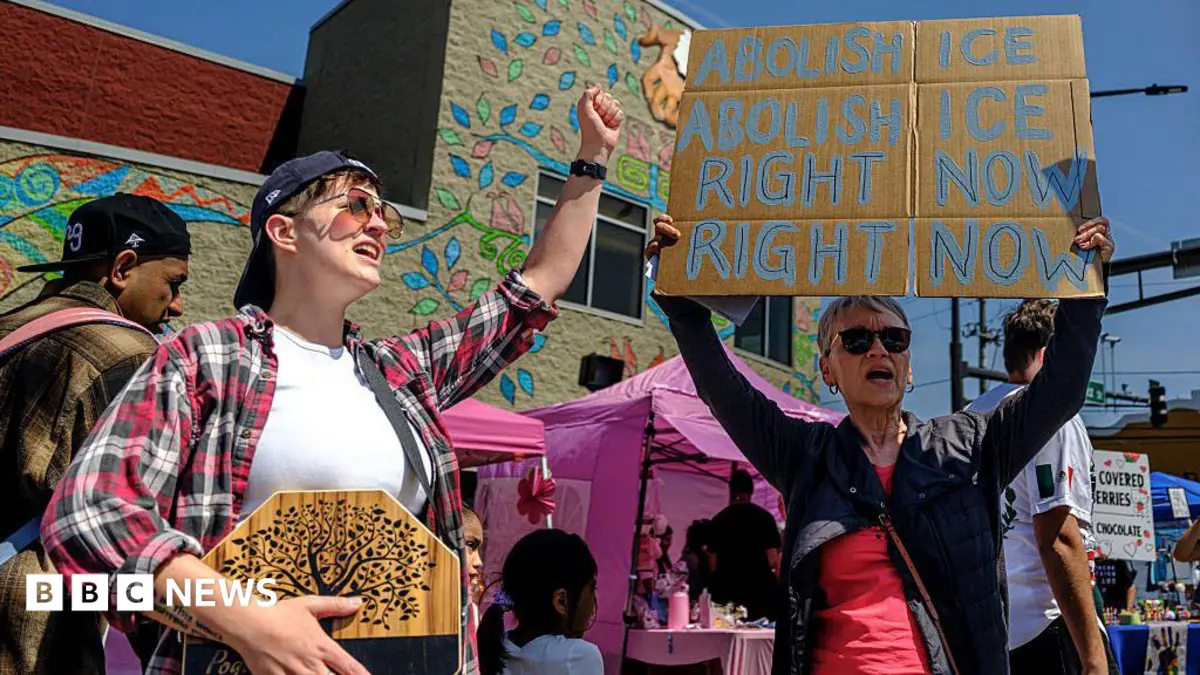
Minneapolis communities continue to grapple with the profound after-effects of US Immigration and Customs Enforcement (ICE) raids, despite the cessation of these operations by the Trump administration six months prior. Undocumented residents report persistent fear and disruption to daily life, underscoring the long-term impact of such enforcement actions.
These operations, framed by US officials as targeted enforcement, have demonstrably fostered a climate of deep mistrust and anxiety within affected populations. Many individuals, including those with long-standing ties to the community, remain hesitant to engage with public services or even carry out routine activities, fearing potential detention or deportation.
The policy's legacy extends beyond immediate enforcement, embedding systemic apprehension within immigrant communities. Critics contend that such measures, often justified by 'national security' or 'rule of law' rhetoric, primarily serve to criminalise non-citizens and exert social control, rather than address genuine public safety concerns.
Organisations supporting immigrant rights in Minneapolis highlight the sustained psychological toll, noting that the trauma inflicted by the raids continues to shape daily decisions and family dynamics. This enduring fear demonstrates how aggressive immigration policies can destabilise communities for prolonged periods, even after overt enforcement activities have concluded.