NHS Urges Patients Not to Delay Treatment Amidst Resident Doctors' Strike
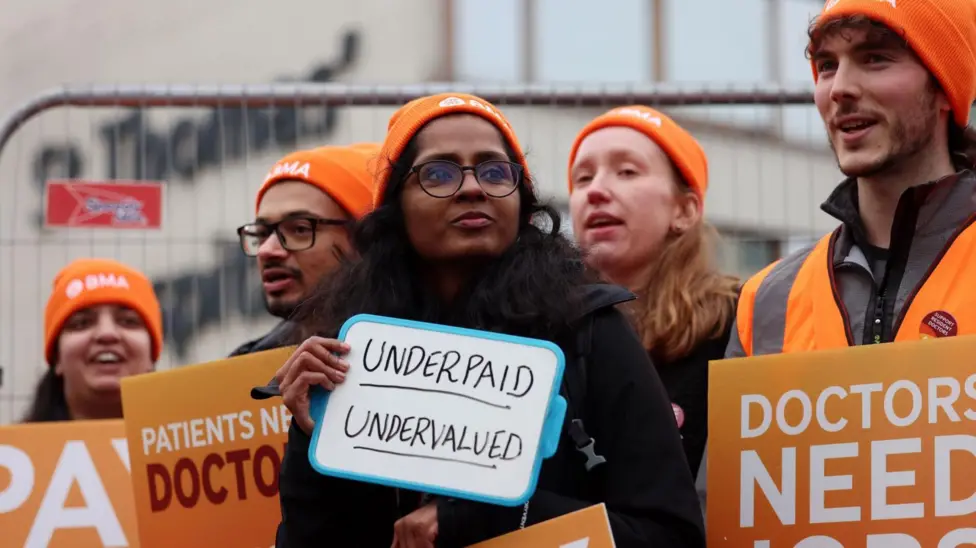
Patients are being urged by the NHS not to delay seeking essential care during a six-day walkout by resident doctors in England, which began on Tuesday. This marks the 15th industrial action in an ongoing dispute over pay and career progression, coinciding with the end of a long bank holiday weekend, leading to concerns from NHS managers about a potentially "particularly challenging" surge in demand.
Ensuring Patient Safety
NHS officials have confirmed that senior doctors and other resident doctors not participating in the strike will be working to maintain services. Patients are advised to attend their appointments as scheduled unless they have been explicitly informed otherwise. Prof Ramani Moonesinghe, national clinical director for critical and perioperative care at NHS England, assured the public that "the NHS is still open for business" and robust systems are in place to ensure safety during industrial action. She advised individuals with emergencies to utilise 111 or 999, attend A&E if necessary, or consult a GP or local pharmacy for less urgent conditions.
Dispute Breakdown and Impact
The strike, which will run from 07:00 BST on Tuesday until just before 07:00 on Monday, 13 April, follows the breakdown of talks between the British Medical Association (BMA) and the government in late March. Health Secretary Wes Streeting expressed his disappointment, emphasising the government's focus on minimising disruption to patient care. The BMA, representing a significant proportion of resident doctors, stated that while senior doctors are providing cover, they are "exhausted and as demoralised as we are."
The dispute centres on pay, with the BMA arguing that resident doctors' pay has fallen by a fifth since 2008 when adjusted for inflation. The government's recent withdrawal of 1,000 extra training places, deemed no longer "financially or operationally" possible, further exacerbated tensions, despite assurances that the overall number of doctors in the NHS would not be impacted. The BMA also cited the "watering down" of pay progression terms as a reason for ending negotiations.