Northern Ireland Parents Decry Lack of Post-School Support for Special Educational Needs Youth
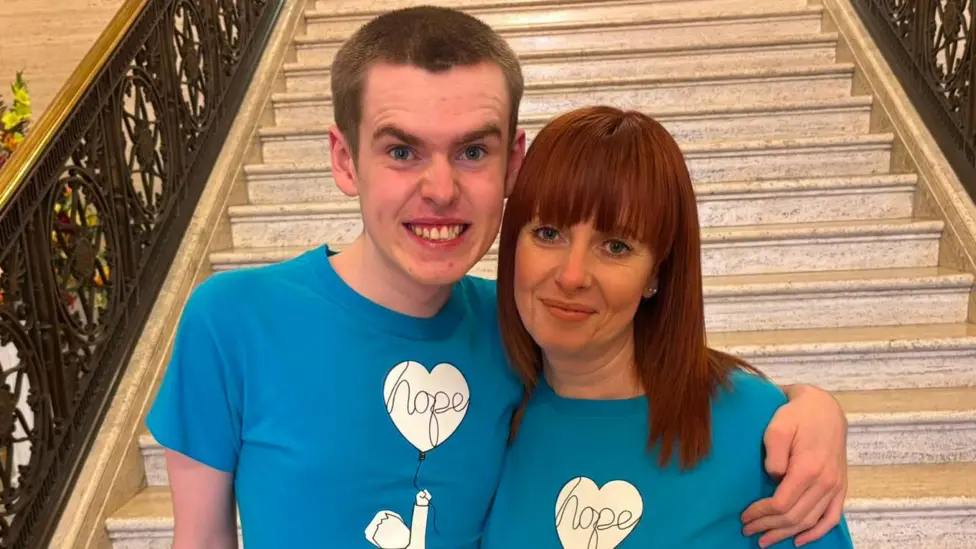
Alma White, mother of an autistic teenager, Caleb, and Karen Ryan, whose daughter Emily has profound needs, presented evidence to the Northern Ireland Assembly's Education Committee. They highlighted the significant disparities in opportunities for SEN school leavers compared to their neurotypical peers.
Fragmented Support and Financial Burden
The mothers described the current system as lacking collaboration between health trusts and across education and health departments. Ms White stated, "I speak to parents all the time, we feel like our children are a price tag." She warned that failing to address the issue now would lead to a tripling of costs in three to four years.
Unlike England, where an Education, Health and Care Plan (EHCP) provides statutory support for young people with SEN up to age 25, Northern Ireland lacks a similar framework. This absence leaves families navigating a complex and often non-existent pathway for further education or training.
IQ Threshold as a Barrier
A critical issue raised was the IQ threshold of 70, which can prevent young people with SEN from accessing adult disability services. Ms Ryan detailed the case of an autistic teenager with a high IQ but significant support needs, who was deemed too able for some services yet not independent enough for others, simply because their IQ score exceeded the arbitrary limit by four points.
A 2010 report by Autism NI and Ulster University had previously identified this IQ threshold as a "barrier to services for many families." Ms Ryan questioned why the extensive support and opportunities provided in special schools, often funded by parents, should cease abruptly at age 19, advocating for education to extend until at least 25.