Ofcom Approves STV Plan to Axe North of Scotland News Programme
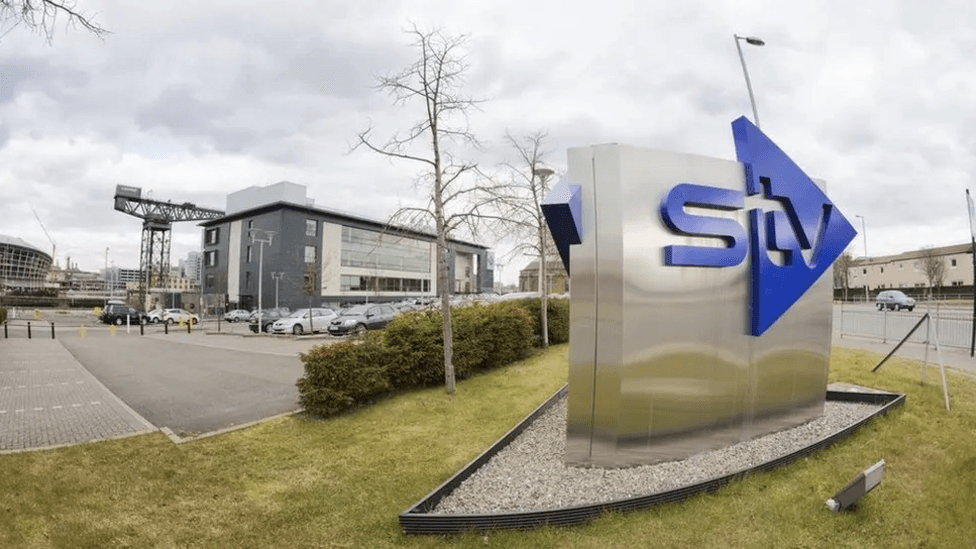
The broadcasting regulator, Ofcom, has granted approval to STV's contentious plan to cease its distinct news programme for the north of Scotland. This decision follows a protracted consultation period and significant opposition from the Scottish government, various senior politicians, and the National Union of Journalists (NUJ).
STV's revised strategy entails the termination of the entirely separate news service for the north, a legacy of the former Grampian Television. All news programmes will now be presented from Glasgow, resulting in central and northern Scottish viewers largely receiving identical stories. However, STV maintains that at least one-third of the main 18:00 programme will feature distinct content for each region.
The broadcaster asserts that it will retain journalists in Aberdeen, Dundee, and Inverness, arguing the plan allows for the preservation of the north and central belt's "distinct regional character" while expanding its digital news offerings. These changes will also discontinue the localised segments within the 18:00 programme that previously focused on specific stories from Glasgow, Edinburgh, Aberdeen, and Dundee.
Ofcom has indicated it will rigorously monitor STV's adherence to its new licence conditions. While initial estimates suggested up to 60 job cuts, revised plans indicate only a small number of staff remain at risk of compulsory redundancy, with many having been redeployed or opting for voluntary redundancy.
STV attributes these changes to a long-term decline in television viewing figures and diminishing advertising revenue. Rufus Radcliffe, STV's chief executive officer, stated the company must adapt to "significant shifts" in audience behaviour, highlighting its commercial status without public funding.
Last year, a cross-party coalition of the SNP, Scottish Conservatives, Scottish Labour, Scottish Liberal Democrats, and Scottish Greens collectively condemned the proposal in a letter to Ofcom. Nick McGowan-Lowe, NUJ organiser for Scotland, characterised Ofcom's decision as "sadly predictable", asserting it is detrimental to viewers, businesses, and local democracy.