Oregon Shoemaker Transitions to Employee Ownership as US Businesses Face Retirement Wave
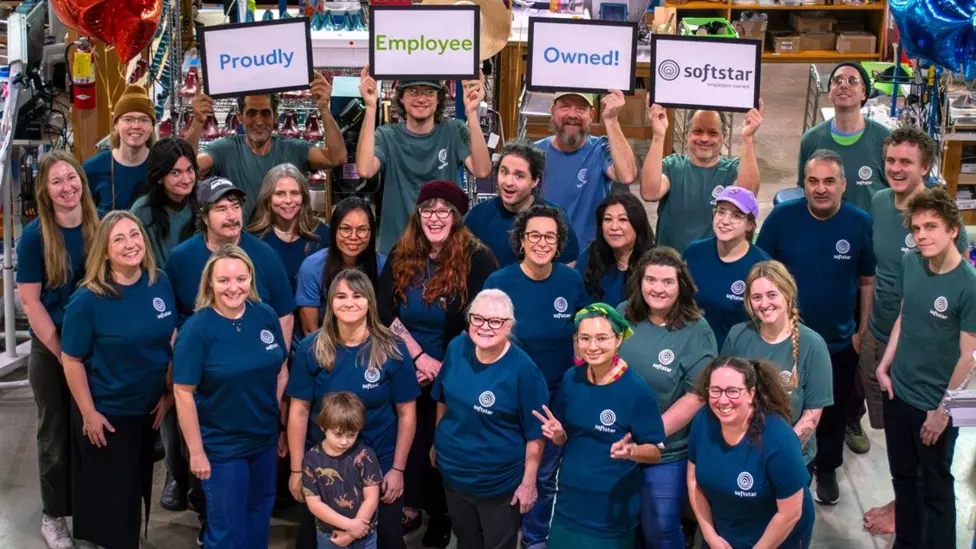
Softstar Shoes, an Oregon-based shoemaker, became entirely owned by its 30-strong workforce in January. Former sole owner and chief executive, Tricia Salcido, 56, initiated the sale as part of her retirement planning. Salcido, who will remain as chief financial officer for several years, noted a significant increase in employee engagement and suggestions for business improvements since the transition.
This move positions Softstar Shoes within a developing trend in the United States, where a growing number of business owners are opting to sell to their employees rather than external buyers. A 2025 study indicates that up to 600 US firms are now converting to employee ownership annually. Furthermore, investment funds specifically allocated to finance these deals surged by 78% last year, reaching $865 million, up from $500 million in 2024.
Beyond fostering employee motivation through shared risks and rewards, research suggests that employee-owned companies often demonstrate higher productivity, a reduced likelihood of redundancies, and more competitive wages. For Salcido, the decision was driven by a desire to safeguard local jobs and prevent the firm's artisan shoemaking expertise from being relocated abroad, a common outcome under cost-cutting corporate acquisitions.
This trend coincides with a significant demographic shift in the US. A report from McKinsey this year projects that approximately six million small and medium-sized US companies, currently owned by 'baby boomers', will undergo ownership transitions by 2035. Ethan Rouen, an associate professor at Harvard Business School, highlighted that many retiring owners struggle to find successors within their families, making employee ownership an appealing alternative for those committed to their workforce's future.
William Stockwell, whose great-grandfather founded Stockwell Elastomerics in Philadelphia in 1919, also chose to sell to his employees. He cited concerns about new ownership relocating, closing, or drastically altering the business, leaving employees vulnerable. Various schemes facilitate employee buyouts in the US, including Employee Ownership Trusts (EOTs), utilised by Softstar Shoes, and Employee Stock Ownership Plans (ESOPs), adopted by Stockwell Elastomerics.
Under an EOT, a trust acquires the business on behalf of the staff, circumventing the need for employees to finance the purchase directly. The former owner then receives the sale price in instalments, contingent on future profits. This model means Salcido's payment is linked to the ongoing success of the business, a risk she accepts given her faith in her team.
ESOPs, the most prevalent method, also place the business under trust ownership. Instead of annual profit shares, employees receive company shares redeemable upon their departure. The retiring owner, like Stockwell, accepts payments over an extended period, in his case, ten years, acknowledging a