Peter Kyle Condemns Labour Leadership Challenges After Poor Election Results
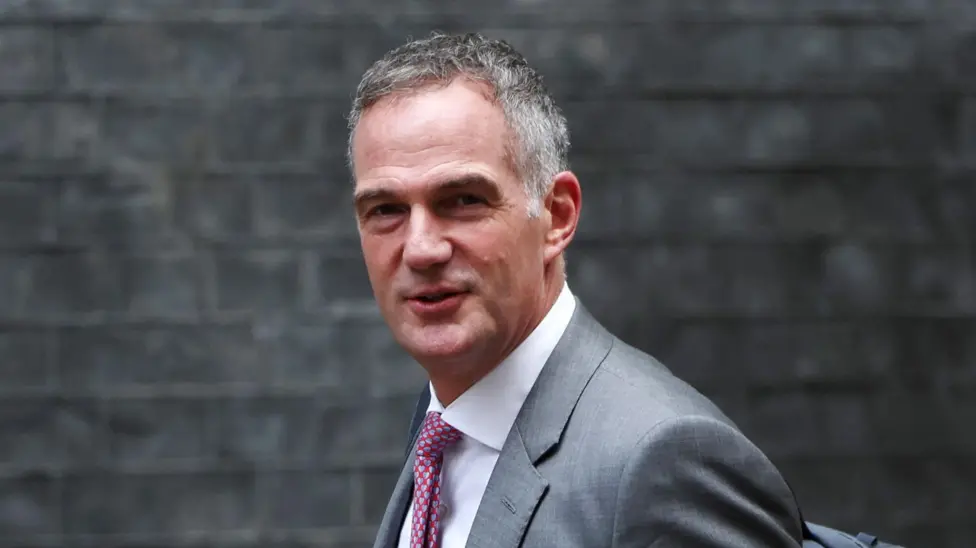
Business Secretary Peter Kyle has issued a strong rebuke to Labour colleagues, accusing the party of failing to learn from the Conservative government's habit of replacing leaders at the first sign of trouble. Speaking at a parliamentary event, Kyle expressed frustration at the notion that a change in leadership would resolve the party's current difficulties.
Leadership Challenges and Party Division
Sir Keir Starmer, the Prime Minister, has resisted calls from a faction of Labour MPs to step down in the wake of substantial losses in last month's elections across England, Wales, and Scotland. Although no formal leadership challenge has been launched, speculation within Westminster remains intense.
Kyle stated, "I don't think we've learned the lessons of the Tory Party in government, where every time there was a problem that was experienced with their government, there was only one solution, and that's changing the leader at the top." He described this inclination within Labour as a "frustration of mine," arguing that it is too simplistic to attribute collective government problems to a single individual. "It's easy to blame one person, and not accept responsibility for our collective endeavour as a government," Kyle added.
The Prime Minister's authority has also been undermined by the contentious appointment of Lord Mandelson as the UK's ambassador to the United States. Furthermore, five ministers resigned their posts after the elections, with former health secretary Wes Streeting being the most prominent. Streeting has indicated he would participate in a leadership contest, contingent on Greater Manchester Mayor Andy Burnham securing the Makerfield by-election on 18 June.
Kyle, a close associate of Streeting, criticised those positioning themselves as alternative leaders, asserting that "entitlement is not a qualification for leadership." He also lamented the political culture that rewards such behaviour during periods of instability, while those who work to foster stability are often overlooked.