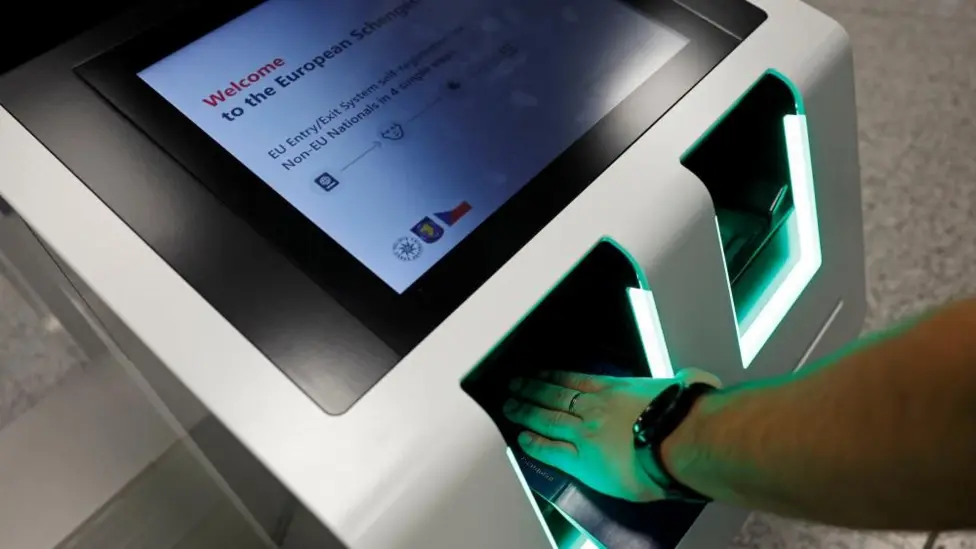
Portugal and Italy Maintain Digital Border Checks for British Travellers, Rejecting Exemptions
Portugal and Italy have confirmed they will not exempt British nationals from the European Union's new fingerprinting and facial scanning requirements, according to the European Commission. This clarification contradicts earlier reports suggesting both nations might emulate Greece, which has effectively halted biometric checks for UK citizens to mitigate potential summer travel disruptions.
EU Entry-Exit System Causes Delays
The Entry-Exit System (EES), introduced in October last year and intended for full operation by 10 April, mandates that most non-EU and non-European Economic Area visitors register biometric data upon entering and leaving the Schengen free travel zone. While the Commission maintains the system largely functions, widespread accounts detail significant delays for travellers, particularly from the UK, at various border points. These bottlenecks have, in some instances, led to passengers missing flights.
For example, over 100 individuals missed an EasyJet flight from Milan's Linate airport to Manchester last month due to what the airline termed "unacceptable" passport queues. Ryanair also confirmed that passengers travelling from Milan Bergamo airport to Manchester were affected by similar passport control issues.
Greece's Suspension and Commission Response
Such operational problems prompted Greece to practically abandon biometric checks for British citizens, despite Athens publicly claiming successful EES implementation. The European Commission has engaged with Greece to clarify this situation, reminding them that while temporary suspensions for specific border crossings under exceptional circumstances are permitted, "blanket exemptions for nationals of specific third countries and for an extended period of time" are not. Portugal and Italy have explicitly informed the Commission they "do not intend to exempt any nationality."