Reform UK Vows to Retain Triple Lock on Pensions, Citing Welfare Cuts
Reform UK Commits to Triple Lock Amidst Welfare Overhaul
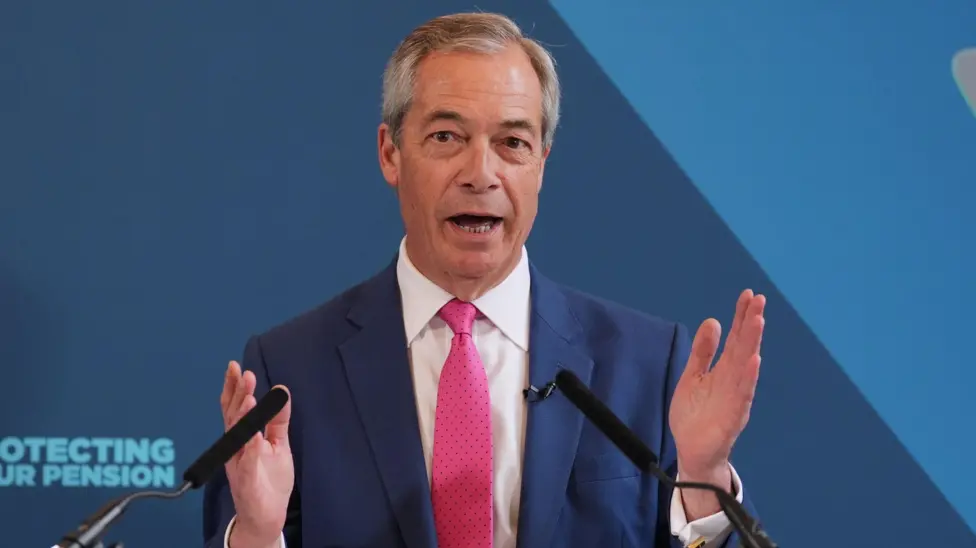
Reform UK has confirmed its commitment to retaining the state pension triple lock, a policy ensuring annual pension increases based on inflation, wage growth, or 2.5%, whichever is highest. This decision, announced by party leader Nigel Farage, marks a reversal of previous considerations to scrap the costly measure.
The party asserts that the financial burden of the triple lock, projected to reach £15.5 billion by 2030, will be offset by what it describes as the "biggest cuts to the benefits bill ever seen in the history of this country." While specific details of these cuts are yet to be unveiled, Reform UK's Treasury spokesman, Robert Jenrick, suggested they would target individuals who have "recently arrived here or have come here illegally."
The triple lock, introduced in 2011, has been a cornerstone of pension policy for successive UK governments and is widely popular with older voters. However, it has faced criticism for its increasing expense and perceived unfairness to younger generations.
Think tanks have voiced scepticism regarding Reform UK's plan. The IEA described the commitment as "hugely disappointing," arguing that it demonstrates a reluctance among major parties to be transparent about the escalating cost of pension obligations. Similarly, the Centre for Policy Studies expressed doubt about the feasibility of such