Starmer Addresses Economic Storm Amidst Iran Conflict and UK-EU Relations
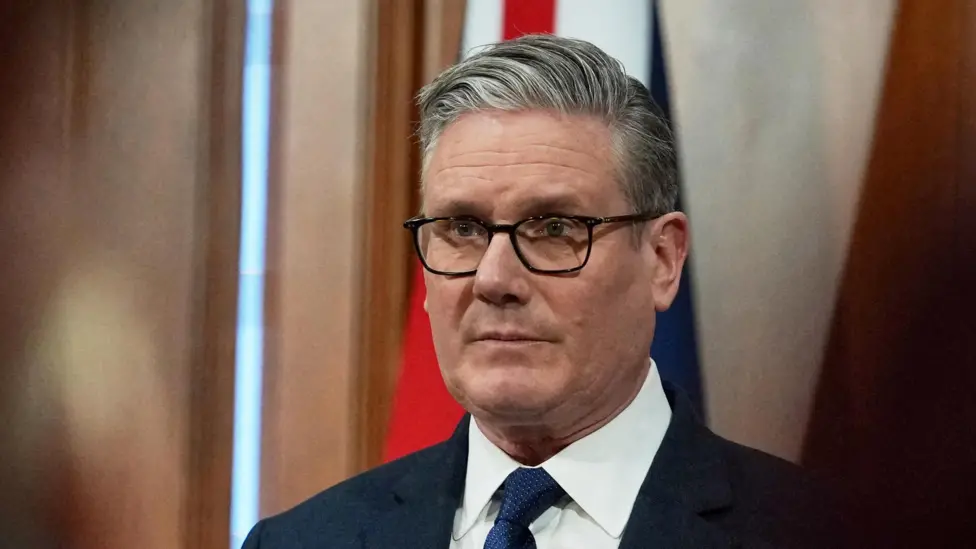
Prime Minister Sir Keir Starmer held a press conference today, focusing on the potential economic repercussions of the ongoing conflict involving Iran. While acknowledging that a "fierce" storm may be approaching, Sir Keir stated that this "will not be easy", referring to both the economic impact and the challenges in reopening the Strait of Hormuz.
No Immediate Emergency Measures
Despite the grim outlook, the government has chosen not to implement immediate emergency financial measures. Support for household energy bills is not anticipated until autumn, with the Prime Minister citing the energy price cap and lower summer energy usage as protective factors. This stance has drawn criticism from various political parties, who advocate for immediate subsidies, VAT removal from energy bills, or alternative funding for renewable energy projects.
Similarly, pressure to introduce emergency measures to reduce petrol prices has been resisted. While the proposed increase in fuel duty in September is under review, there is widespread belief in Westminster that it will not proceed. This approach contrasts with some international allies, such as Australia, which has halved its fuel taxes.
Divergence from US Policy and Closer EU Ties
A significant aspect of the Prime Minister's address was a clear indication of a divergence from US foreign policy. Sir Keir emphasised that "this is not our war", following his decision to resist US demands for a greater UK role in the conflict. While affirming the strength of the transatlantic alliance in security and intelligence, he highlighted a noticeable rupture in the personal relationship with US President Donald Trump.
Furthermore, Sir Keir surprisingly used this moment to advocate for closer ties with the European Union. While reiterating Labour's commitment against rejoining the EU's customs union or single market, he expressed a desire for the UK to get as close as possible to single market membership from outside the bloc. This move precedes a second annual UK-EU summit, where the government hopes to deepen cooperation beyond existing negotiations.
These decisions regarding economic support, the UK-US relationship, and post-Brexit ties with Europe are set to become central to British politics as the economic storm gathers pace.