RMT London Tube Drivers Strike Over Four-Day Week Roster Concerns
Two 24-hour Tube strikes are set to proceed on Tuesday and Thursday after negotiations between the Rail, Maritime and Transport (RMT) union and Transport for London (TfL) failed to resolve disputes over the voluntary introduction of a four-day working week with condensed hours.
RMT drivers are staging the walkout due to TfL's "continued refusal to engage meaningfully with the union's concerns over the proposed compressed four-day working arrangements." The union has highlighted "serious concerns around fatigue, longer shifts, reduced flexibility and the impact these proposals could have in a safety-critical role."
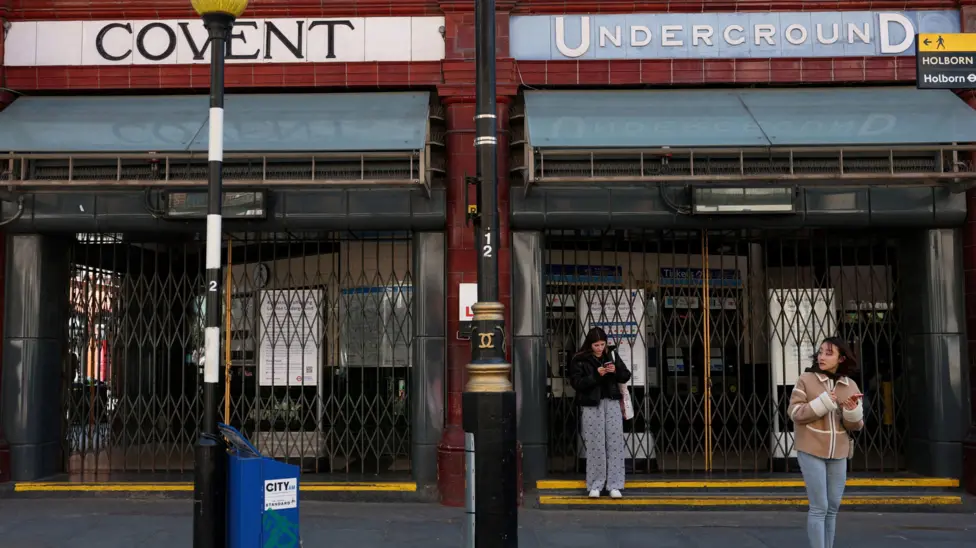
TfL described the strikes as "disappointing" but indicated that discussions to avert the industrial action were scheduled for Monday. The transport operator aims to maintain at least half of Tube services, though the Circle and Piccadilly lines will not operate. The Metropolitan line will be suspended between Baker Street and Aldgate, and the Central line will see no service between White City and Liverpool Street.
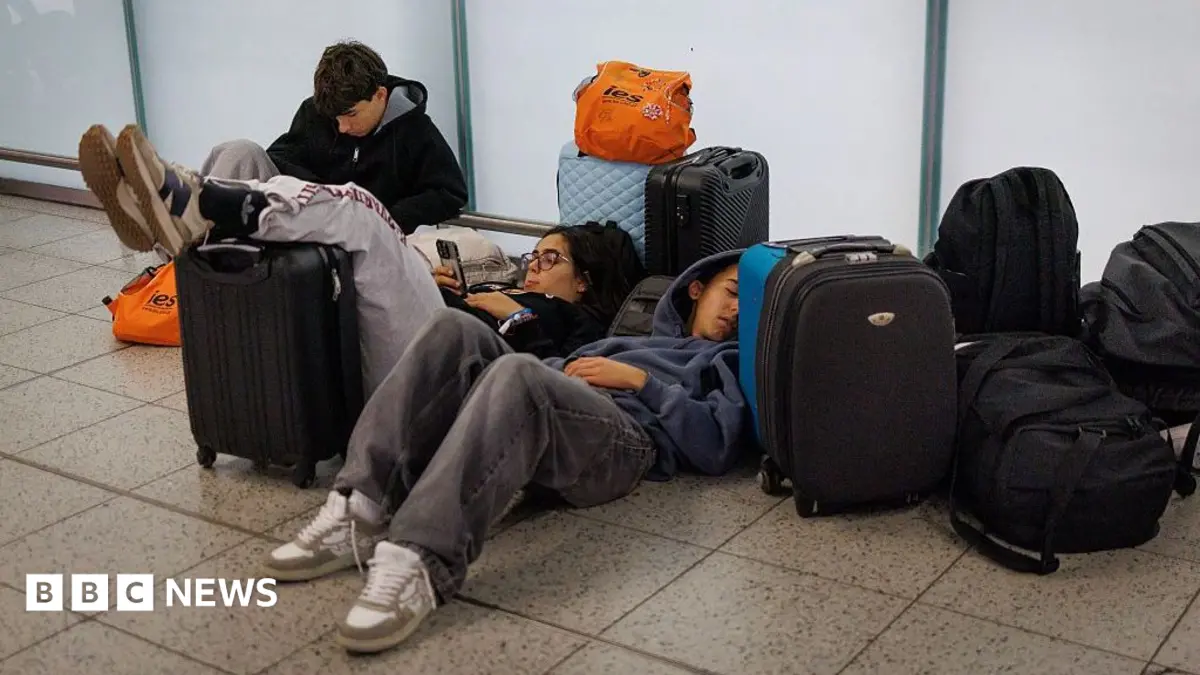
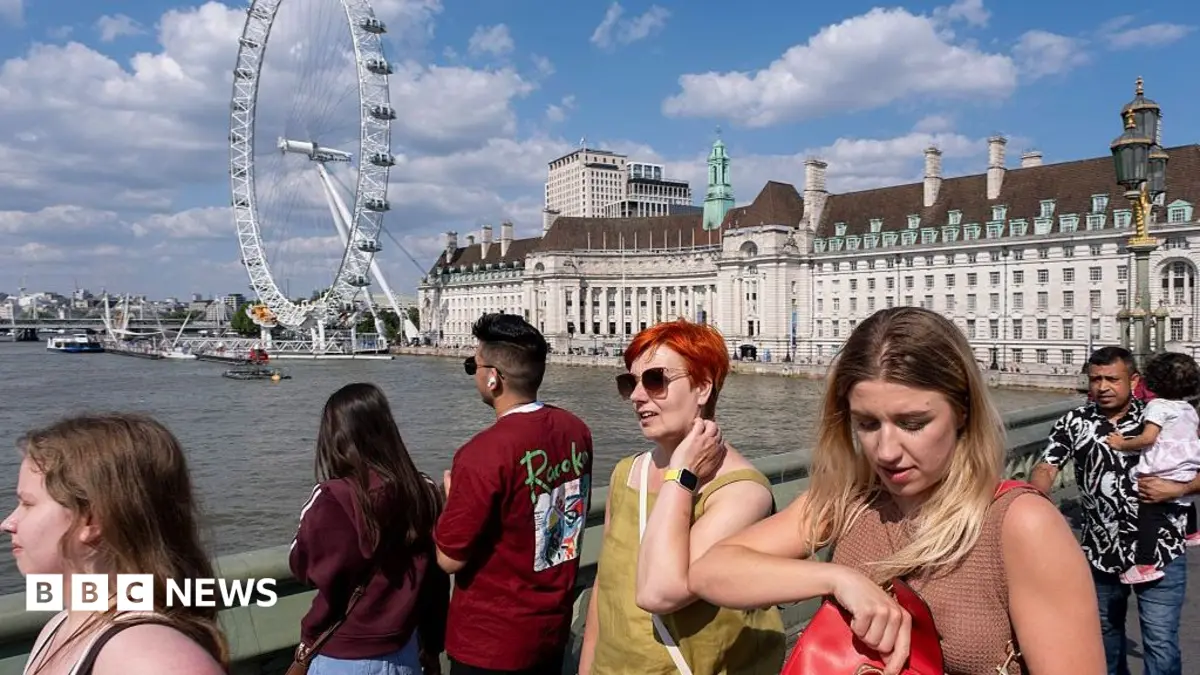
Services will commence later and conclude earlier on strike days, with no operations before 06:30 BST or after 21:00. Disruptions are also anticipated on the mornings of 3 and 5 June. Other transport options, including buses, London Overground, Elizabeth line, DLR, and tram services, will continue but are expected to be significantly busier.
In contrast to the RMT, a substantial number of drivers, primarily members of the Aslef union, will report for work. Aslef has endorsed the voluntary compressed four-day week, stating it offers participating drivers an additional 35 days off annually in exchange for minor adjustments to working conditions. TfL's chief operating officer, Claire Mann, affirmed the four-day week is "completely voluntary," designed to enhance work-life balance, and that drivers can opt to remain on a five-day pattern.