Robotaxi Malfunction Halts Traffic in Wuhan, Sparking Safety Concerns
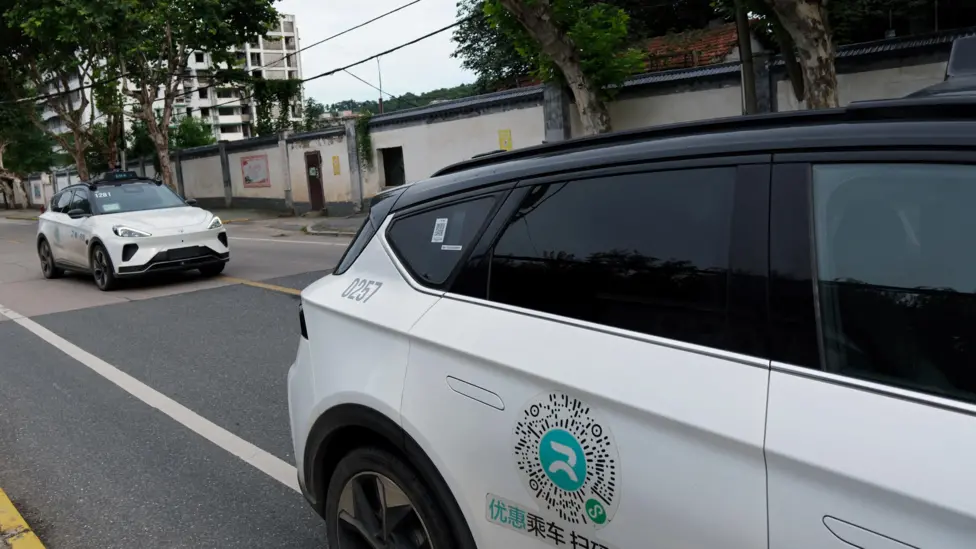
A mass outage of robotaxis operated by Chinese technology giant Baidu has caused widespread disruption in Wuhan, with at least one hundred self-driving vehicles ceasing operation mid-traffic. The incident, attributed by local police to a "system malfunction", has reignited discussions surrounding the inherent risks and safety protocols of autonomous vehicle technology.
Incident Details and Investigations
The malfunction occurred on Tuesday, leading to numerous Baidu Apollo Go taxis stopping unexpectedly on roads. Social media footage captured the event, with one video purportedly showing a highway collision resulting from the stoppage. However, police have confirmed no injuries were reported, and passengers were able to exit their vehicles safely. The precise cause of the system failure remains under active investigation.
Broader Implications for Autonomous Vehicles
Baidu's Apollo Go service operates in various cities, predominantly in China, and has plans for expansion into the UK. Ride-sharing firms Uber and Lyft announced partnerships in December 2025 to trial Apollo Go vehicles on British roads from 2026, pending regulatory approval. This Wuhan incident, alongside previous technical issues such as Waymo taxis stopping during a San Francisco power outage and an Apollo Go vehicle falling into a construction pit in Chongqing in August 2025, underscores the novel challenges associated with this technology.
Professor Jack Stilgoe of University College London highlighted that while driverless technology "may be safer on average" than human drivers, such incidents reveal it can "still go wrong in completely new ways." He emphasised the necessity of understanding "entirely new types of risk" to make informed decisions regarding the deployment of autonomous vehicles.