Singapore Confronts Energy Crisis, Curbs Air-Conditioning Use
Singapore Responds to Soaring Energy Costs
Singapore, a nation synonymous with widespread air-conditioning, is now instructing government employees to set office temperatures to a minimum of 25C (77F). This directive comes as the city-state grapples with escalating energy prices, largely attributed to global supply chain disruptions stemming from the Iran war.
Beyond temperature adjustments, public offices are set to integrate energy-efficient technologies, such as LED lighting and smart sensors, to further conserve power. This move mirrors similar initiatives across Southeast Asia, with countries like Thailand also urging citizens to adopt higher air-conditioning temperatures.
A Cultural Shift for the 'Air-Con' Capital
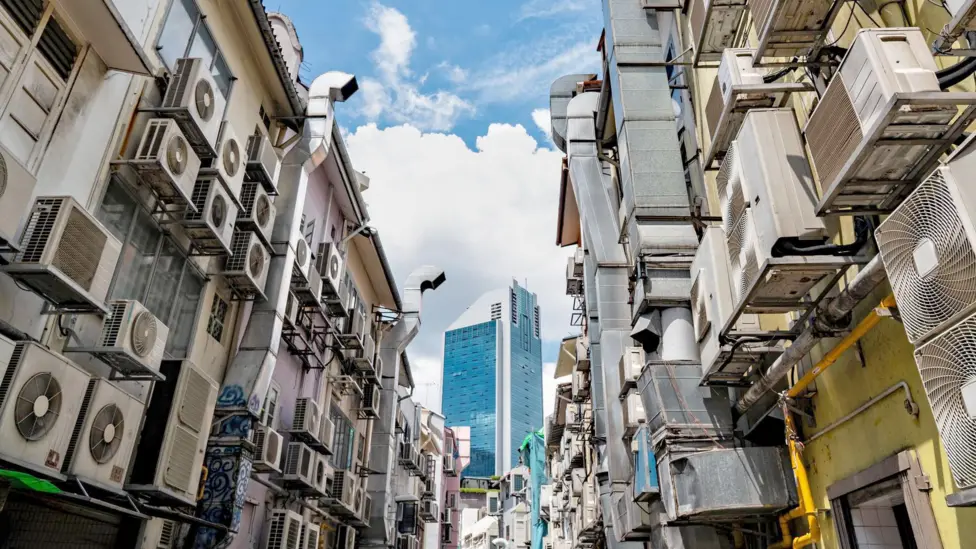
The reliance on air-conditioning in Singapore is deeply ingrained. Lee Kuan Yew, the nation's founding father, famously championed air-conditioning as pivotal to enhancing productivity in the tropical climate. Today, it is a ubiquitous feature in offices, shopping centres, public transport, and even most homes, often leading to what some consider excessive usage, where employees frequently require cardigans indoors.
The Ministry of Sustainability and the Environment announced on 8th April that the government is "taking the lead" in these conservation efforts. Workers are also being encouraged to utilise fans and opt for public transport to reduce fuel consumption. Businesses and the general public have been urged to follow suit.
Broader Regional Impact
The energy crisis has seen fuel prices surge in Singapore, with authorities warning of further economic disruptions. While the republic has yet to tap into its fuel reserves or introduce rationing, approximately two-thirds of its crude oil imports originate from the Middle East, making it particularly vulnerable to regional instability.
Other Asian nations, heavily dependent on Gulf oil, are also enacting urgent measures. The Philippines has shortened government workweeks, and South Korea has launched a public energy-saving campaign. Experts describe the economic fallout of the Iran war as the "Asian crisis," particularly impacting developing countries with a high reliance on petrol vehicles and gas for households. This crisis serves as a crucial lesson for Asia to enhance energy efficiency and diversify supply sources in the long term.