Energy Bills Set to Climb: Network Costs, Not Just Geopolitics, a Major Factor
UK households are facing significant increases in energy bills, and while the conflict in Iran is contributing to global energy market volatility, a less discussed but crucial factor is the substantial cost of modernising Britain's energy network.
The 'Great Rewiring' of Britain
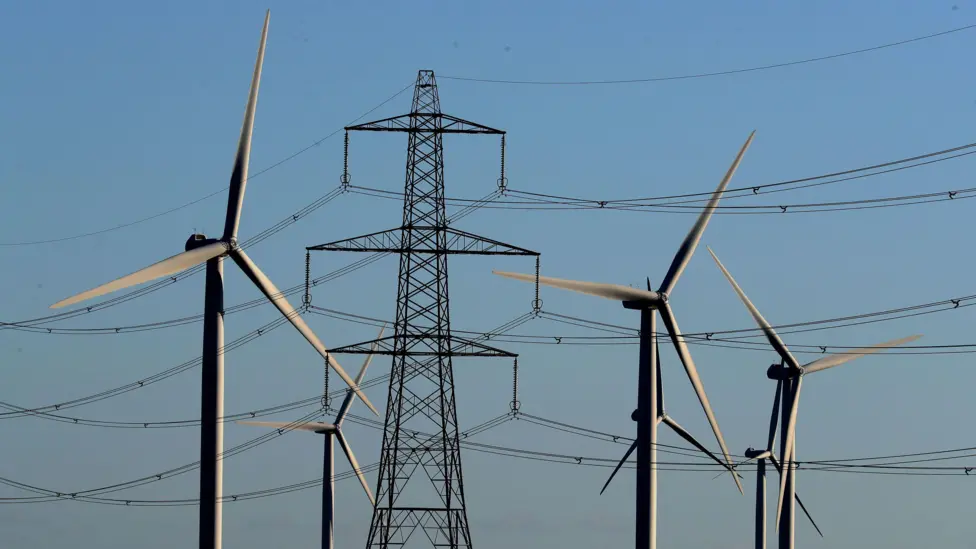
Our energy bills encompass more than just the cost of electricity and gas consumption; they also cover the investment in maintaining, upgrading, and expanding the national energy infrastructure. The proliferation of renewable energy sources, particularly offshore wind in northern Scotland, necessitates extensive new cabling and grid enhancements to distribute power across the country.
This ambitious undertaking, dubbed the 'great rewiring' of Britain, is estimated to cost approximately £70 billion over the next five years. Forecasts from independent energy analysts and suppliers, such as Ben James and Octopus Energy, suggest that network costs could add between £135 and £300 to average annual electricity bills by 2030. Rachel Fletcher, Director of Economics at Octopus Energy, notes that "even if gas prices stay steady, the non-commodity elements of the household electricity bill are likely to go up."
Underinvestment and Future Implications
Energy analysts attribute the high projected network costs to years of underinvestment, citing a 2009 Ofgem decision that prioritised connecting new wind farms before adequate grid expansion. This approach, according to Adam Bell of Stonehaven consultancy, "created a precedent for avoiding investment."
Despite political debate focusing on fossil fuels versus clean power, the reality is that much of the future increase in energy bills from grid upgrades is already "baked in." While the long-term vision for renewables promises eventually lower energy costs and protection from gas price spikes, the path to 2050 will be an expensive one. This presents a challenge for any government prioritising cost-of-living reductions.