Six-Day Doctors' Strike Expected to Cause Widespread NHS Disruption
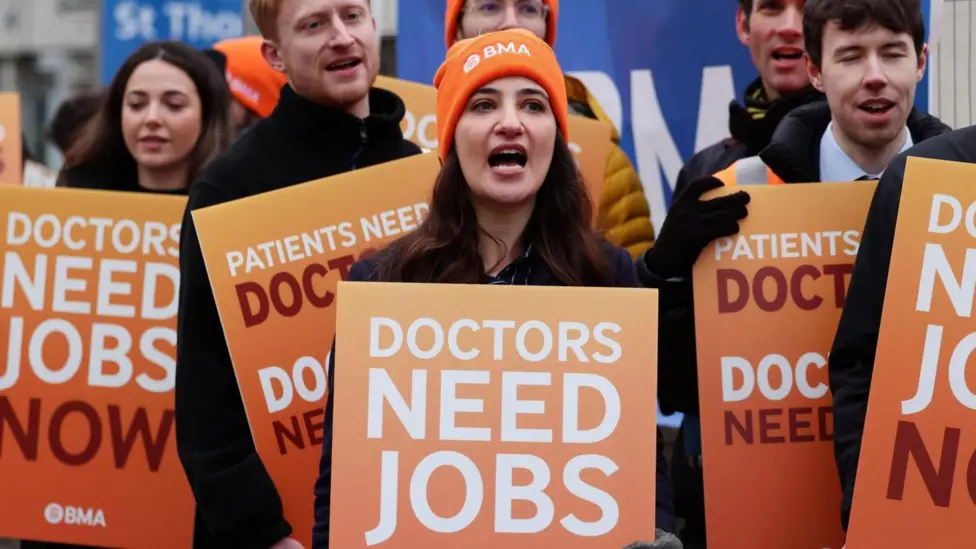
England's resident doctors initiated a six-day strike at 07:00 BST on Tuesday, marking their 15th walkout in an ongoing dispute over pay. This extensive industrial action is set to cause substantial disruption across the NHS, given that resident doctors constitute nearly half of the medical workforce.
Impact on Services and Patient Care
Senior medical staff are being deployed to provide essential cover in emergency departments; however, this will inevitably lead to the cancellation of numerous pre-planned treatments and appointments. The NHS has urged the public to continue seeking urgent and emergency care via 999 and 111, and to attend scheduled appointments unless explicitly advised otherwise. General Practitioner services remain largely unaffected.
Patients like Adrian Emery, 55, from Nottinghamshire, are experiencing the direct impact. Mr Emery's follow-up appointment for recent mini-strokes, initially rescheduled, has now been cancelled indefinitely, causing considerable anxiety regarding his health.
The Heart of the Dispute
The British Medical Association (BMA) contends that despite pay rises totalling 33% over the last four years, resident doctors' pay has decreased by a fifth in real terms since 2008, when accounting for inflation. Dr Jack Fletcher, chair of the BMA's resident doctor committee, expressed regret for patient disruption but defended the strike as a necessary response to real-terms pay cuts.
Conversely, the Department of Health and Social Care labelled the BMA's decision to strike as